Prime Video Is Officially Reinventing the Most Iconic Wizard in Fantasy History
Prime Video’s *The Rings of Power* season 3 marks Gandalf’s transformation into the iconic figure from Tolkien’s lore, shifting from a wandering Stranger to a guiding force who inspires others rather than wielding control.
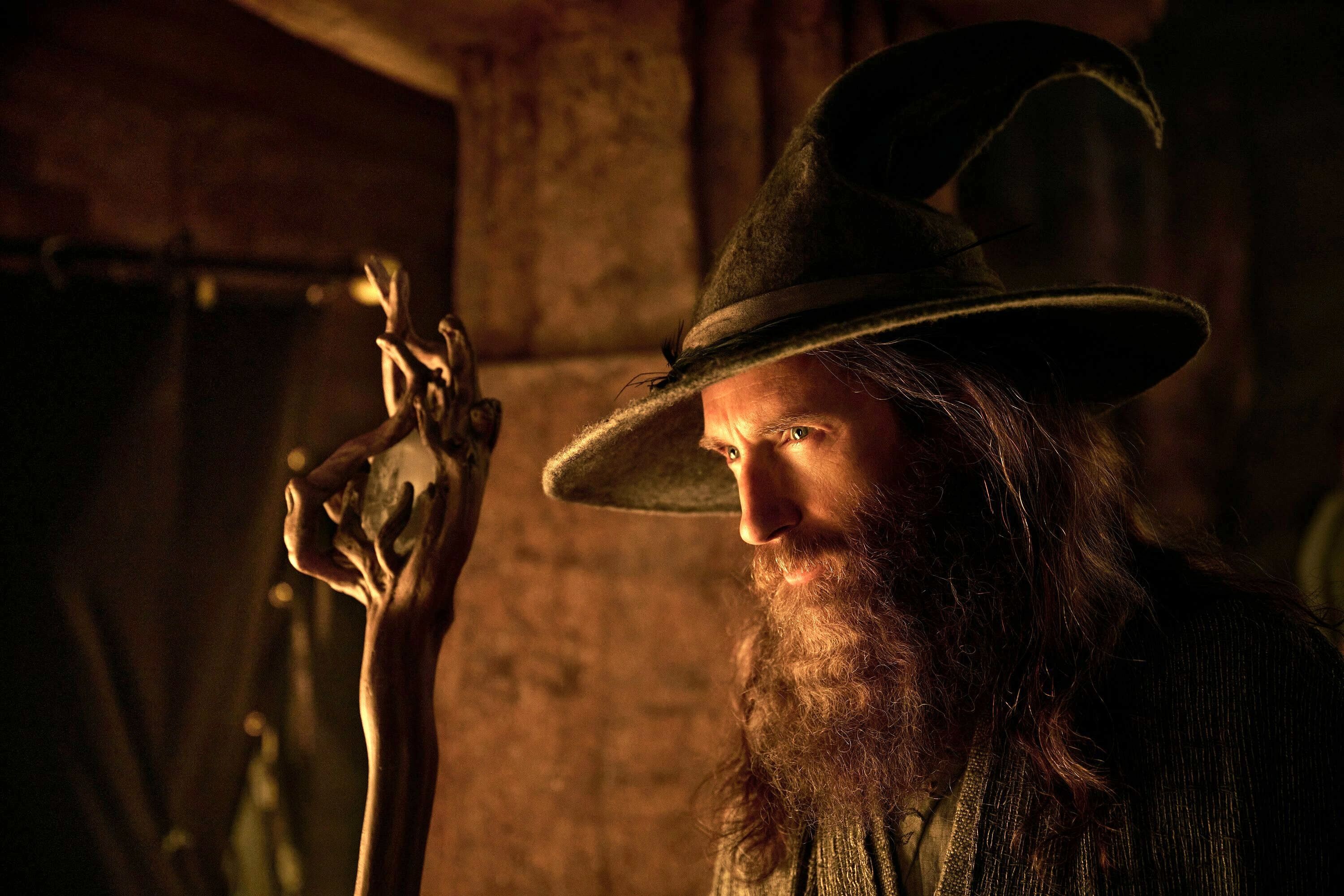
Gandalf, played by Daniel Weyman, spent two seasons as the Stranger, unaware of his true identity or purpose in Middle-earth. After a five-year time jump following season 2, he emerges as a figure resembling Gandalf the Grey, having learned from Tom Bombadil to prioritize guidance over domination. Weyman describes a softer, more patient Gandalf who values presence and reflection over direct intervention, embodying the wisdom of Tolkien’s Istari. His physical transformation—upright posture, grown hair and beard, and constant staff—reflects this newfound self-assurance and role as a mentor.
The character’s evolution aligns with Tolkien’s mythology, where wizards like Gandalf are sent to Middle-earth to resist Sauron not through force but through inspiration. Weyman emphasizes Gandalf’s focus on recognizing goodness in others, a trait that defines his power. His relationship with halflings, from Nori Brandyfoot to Frodo Baggins, illustrates this philosophy, proving that faith in others can shape the world more than any spell. The shift from the Stranger to Gandalf underscores a deeper understanding of his calling.
Season 3 introduces a critical dynamic with Pallando, played by Ciarán Hinds, a long-lost companion whose forgotten history with Gandalf adds layers to the narrative. Their reunion becomes Gandalf’s first test of his new approach: rekindling goodness rather than defeating an adversary. Co-creator Patrick McKay notes this conflict is more esoteric than a traditional duel, reinforcing Tolkien’s idea that true power lies in inspiring choice rather than imposing will. Gandalf’s mission is no longer about controlling outcomes but about helping others find their path.
The season explores Gandalf’s struggle with the vast scope of his existence as an Istari, a spirit bound to mortal form, and his human-like flaws such as hubris. Unlike Saruman, who seeks power, or Radagast, who neglects his duties, Gandalf embraces his role as a guide. Weyman and McKay highlight his goal to “see the goodness in others” and “rekindle hearts that have gone cold,” framing his journey as one of rediscovery and renewal in a world threatened by growing evil.