Survival Game Rust's Big Update Adds Raw Milk and Rotten-Meat Fuel
Rust’s livestock update introduces sheep and cows for farming, milk, wool, and biofuel from animal products, alongside decorative wildlife and a new cosmetic skin.
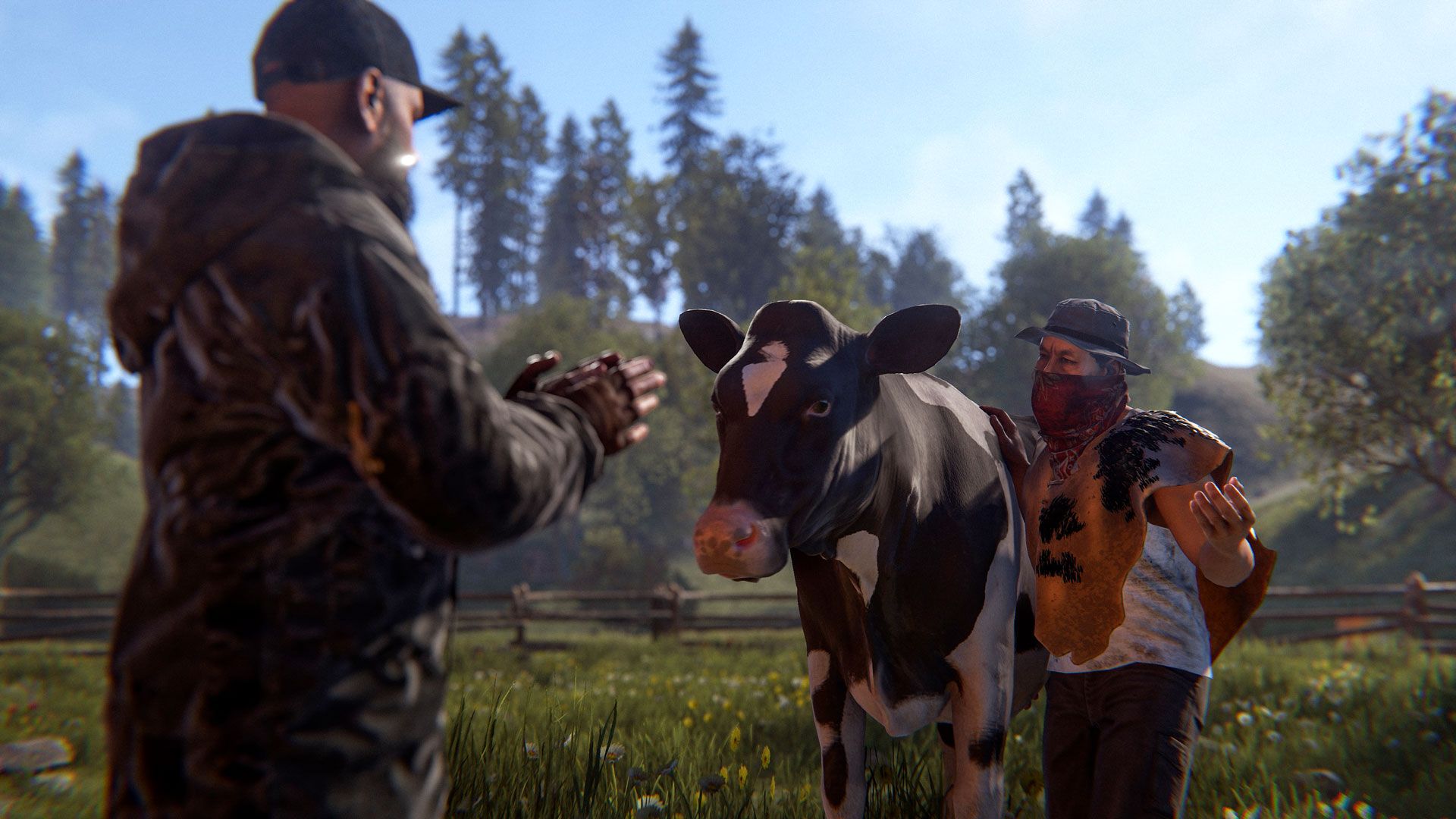
Rust’s latest update centers on livestock, introducing sheep and cows as farmable animals. Players can now shear wool, milk animals, and collect dung for fertilizer or trade. Animals can also be butchered for meat, bones, leather, and fat, adding new crafting options. The update emphasizes breeding, with offspring inheriting genes from parents, affecting productivity and vendor value.
Milk can be consumed directly or refined into cream or skimmed milk, enhancing food recipes like pies and tea. Wool is sold to vendors at Stables, where trade offers appear randomly and can be declined up to three times before a 15-minute cooldown. Livestock and wool are also tradable, with vendors setting prices dynamically.
The update introduces a biofuel generator that converts raw or spoiled meat into low-grade fuel, with efficiency tied to the calorific value of the input. This mechanic allows players to repurpose animal remains, adding a practical use for butchered livestock. Decorative wildlife, including frogs, turtles, and squirrels, now populate biomes, enhancing environmental immersion.
A new cosmetic DLC, the Plague Doctor skin for the Hazmat Suit, is available on Steam for $9.99. The skin aligns with October’s thematic events, offering a spooky aesthetic for players. The update combines farming mechanics, environmental details, and cosmetics to refresh Rust’s survival experience.