Denmark approves new grid connection prioritization model
Denmark’s parliament approved an emergency plan to prioritize grid connections, replacing the first-come, first-served system with a four-tier model to manage scarce grid capacity.
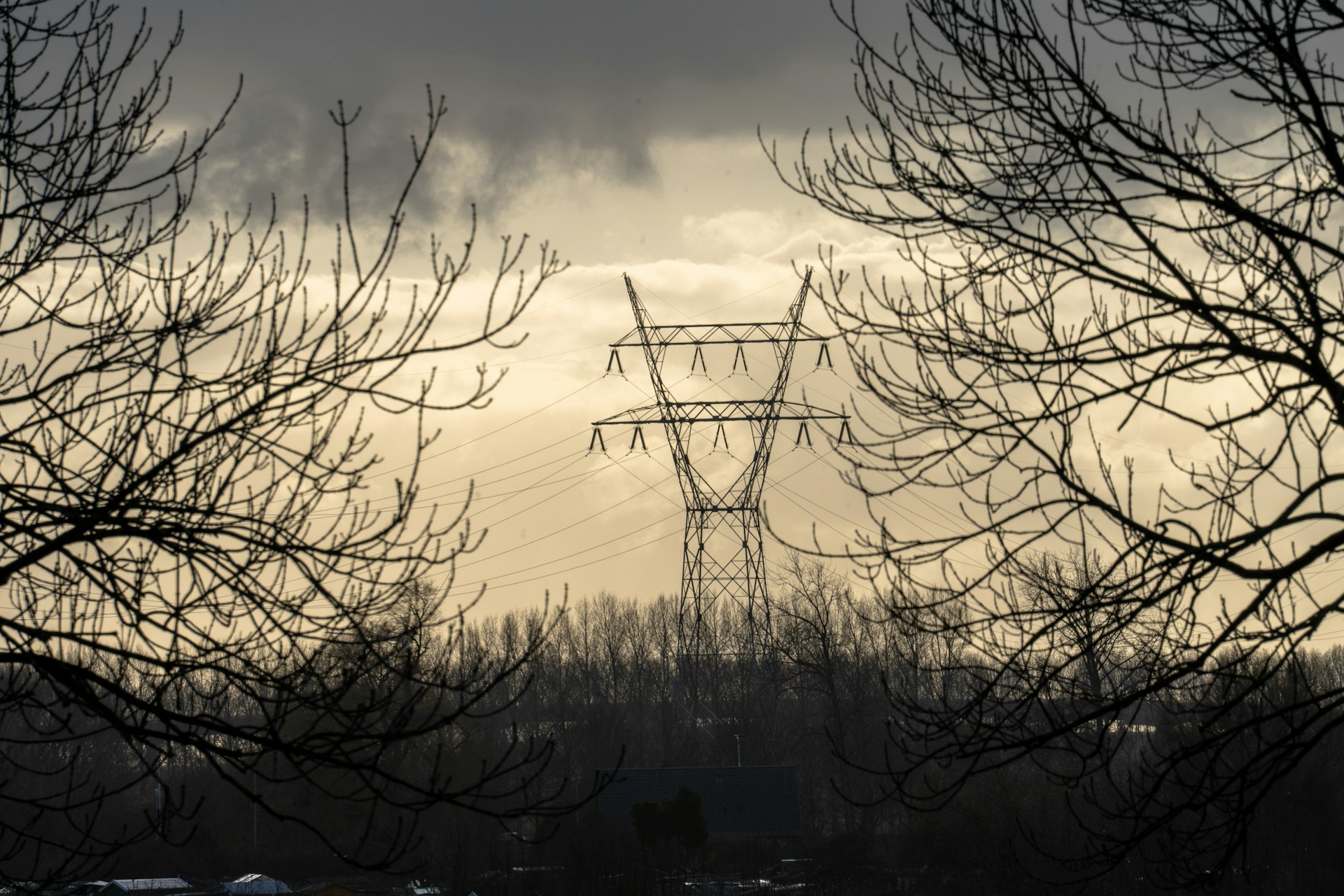
The Danish parliament adopted an emergency plan to replace the existing first-come, first-served grid connection system with a prioritization model managed by state-owned Energinet and local grid companies. The new model introduces four priority categories, with critical societal functions and new households at the top, followed by electrification, renewables, and storage projects. Data centers are placed in the lowest category unless tied to critical functions, and projects reducing grid strain may be prioritized within their category.
Energinet and local grid companies will have authority to reject applications in the lowest two categories if capacity is insufficient or if connections would displace higher-priority projects. The Danish Electricity Supply Authority will serve as the appeals body for rejected applications. The emergency plan was supported by a broad parliamentary majority, emphasizing efficient use of limited grid capacity for societal benefit.
The plan will take effect on October 12, with Denmark’s Minister of Climate, Energy and Utilities, Samira Nawa, describing the grid situation as deeply serious due to scarce connection space that threatens electrification and the green transition. Nawa stated the law aims to use grid space more wisely to prioritize national priorities.
Mathilde Hjort Bressum, climate, energy and supply spokesperson for the Liberal Party, emphasized the model should remain a temporary crisis tool and not become permanent. She called for urgent negotiations on expanding the transmission grid and a comprehensive energy infrastructure plan to accelerate Denmark’s electrification.