Hithium’s sodium-ion storage push, where it could win, where it won’t, and path to bankability
Hithium advances sodium-ion storage toward commercial deployment, citing material abundance and long cycle life, while cautioning that bankability hinges on real-world validation and cost comparisons with LFP.
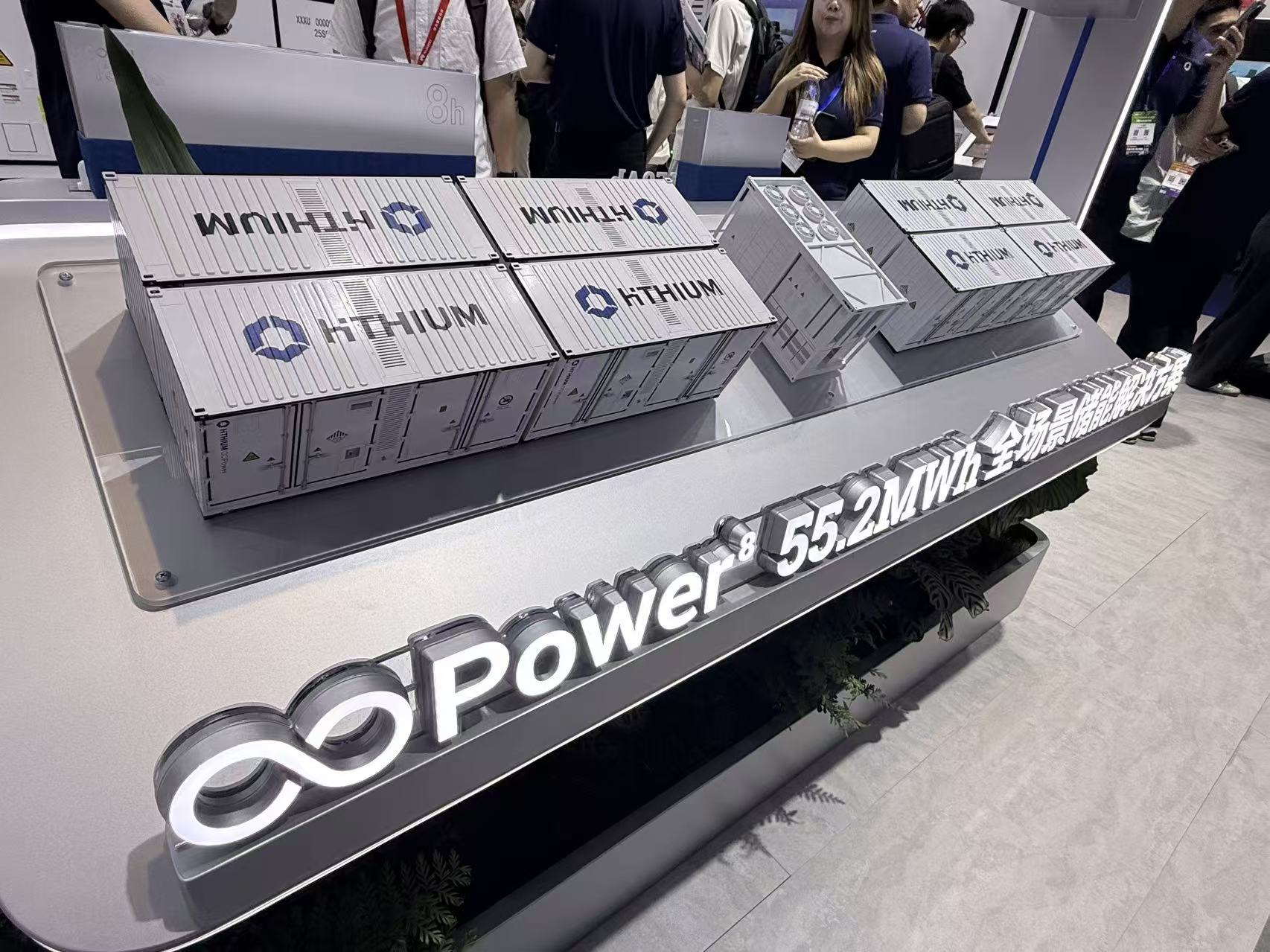
Hithium describes its sodium-ion launch as a step toward large-scale deployment, emphasizing sodium’s abundance and potential for long cycle life to reduce replacement costs and improve energy affordability. The company highlights that progress depends on coordinated improvements in materials, manufacturing, and system design rather than isolated technology announcements. It notes that sodium-ion’s value lies in long-term cost predictability and reduced dependence on concentrated lithium resources over multi-decade energy infrastructure lifetimes.
The firm reports completing safety testing for its first-generation sodium-ion cell under GB/T 44265, including drop, crush, short circuit, and thermal-runaway assessments. It emphasizes that safety must be verified at cell, module, and system levels, with ongoing tests on thermal propagation, gas release, and transportation safety for practical operating conditions. Material stability alone is not considered sufficient for an absolute safety claim.
Hithium states that lithium iron phosphate (LFP) currently holds an initial capital expenditure advantage for standard two-hour projects due to mature supply chains. It argues that sodium-ion’s economic case should account for cycling frequency, project life, efficiency, degradation, augmentation, and raw-material price volatility. The company prefers transparent comparisons using consistent assumptions rather than offering headline prices without context.
The company positions sodium-ion as complementary to LFP, targeting projects with frequent cycling, long operating lives, or a focus on material availability and cost stability. It asserts that bankability for sodium-ion requires independent testing, long-term operating data, manufacturing consistency, warranty terms, and service capability, rather than assuming universal superiority over LFP.