Shared grid connections concentrate battery insurance risk
Co-located solar-plus-storage projects sharing grid connections are creating concentrated insured revenue risks for battery energy storage system insurers, according to TMGX, a Tokio Marine underwriting unit launched in 2025.
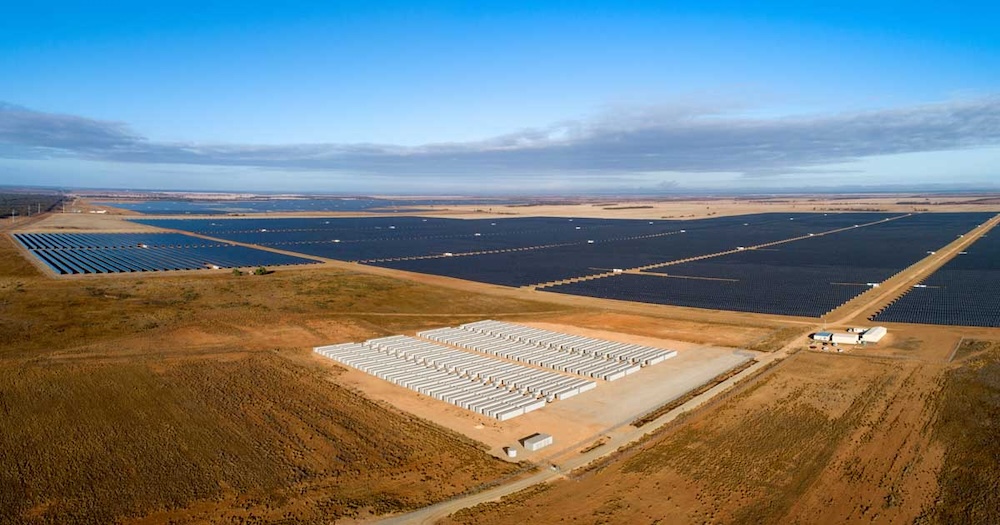
TMGX’s head of renewables, Olly Litterick, warns that shared grid connections at co-located solar-plus-storage sites are concentrating insured revenue into a growing risk for battery energy storage system insurers. Projects now carry exposure in the hundreds of millions or even billions of dollars at single locations where multiple insureds share grid connection points, he told ESS News. A failure at a shared export point can trigger simultaneous losses across several insured projects, particularly when grid outages or transformer failures occur.
TMGX, which acts as lead underwriter on much of its book, emphasizes the need to control aggregation risk as co-located projects grow in scale almost monthly. The company, building on 20 to 25 years of renewable energy underwriting at GCube, highlights that the renewables insurance market must prepare for rising complexity in co-located projects, where shared grid infrastructure creates common points of vulnerability.
Marsh’s BESS risk guidance recommends sufficient separation between battery modules and critical infrastructure such as site transformers and substations, stressing that minimizing single points of failure is key to avoiding contingent business interruption. Some insurers, including AXIS, offer contingent business interruption cover for lost income when externally owned substations are damaged.
TMGX reports that thermal runaway remains the main driver of probable maximum loss estimates for battery storage, with spacing arrangements playing a crucial role in underwriting. The company notes that more than half of BESS failures occur within the first two years of operation, according to GCube’s 2024 findings. TMGX’s standard property cover largely excludes cyberattacks, leaving a gap in coverage that lenders and clients are beginning to address.