Western Australia moves to legalize plug-in solar on German model
Western Australia proposes legalizing plug-in solar and battery systems as standard appliances, modeled on German standards, to expand access for renters and apartment dwellers.
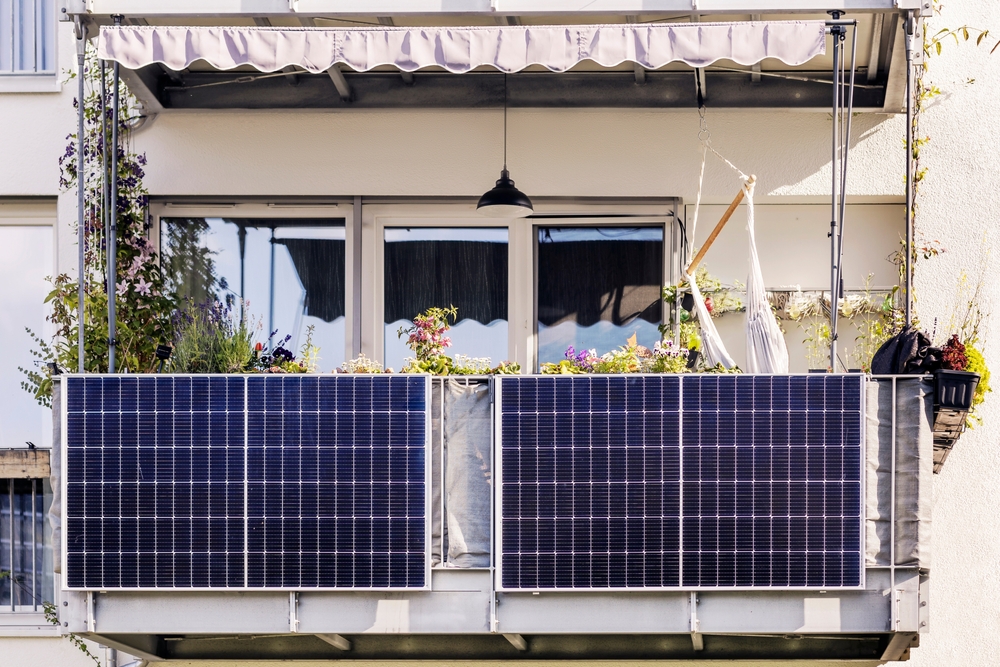
Western Australia’s Energy and Decarbonisation Minister Amber-Jade Sanderson announced plans to legalize plug-in solar and battery systems, framing the move as a way to extend the benefits of affordable solar energy to renters and apartment dwellers who cannot install rooftop systems. The proposal follows the German model, where plug-in systems are treated as ordinary electrical appliances, allowing flexibility for residents to relocate them when moving. Sanderson highlighted that millions of European households already use such systems, emphasizing the need to bring this option to Western Australian families.
The state’s Department of Energy and Economic Diversification (DEED) and the Building and Energy Division of the Department of Local Government, Industry Regulation and Safety (LGIRS) are consulting on a new Technical Bridging Standard (TBS) that would classify plug-in systems as standard electrical appliances. The draft standard is based on the German technical specification DIN VDE V 0126-95, with adjustments for Australian plugs and wind loading conditions. It permits systems with a combined solar and battery output of up to 2 kW (DC) and inverters up to 800 VA (AC).
The proposed TBS does not set an upper limit on plug-in battery storage capacity but restricts batteries to lithium iron phosphate or sodium-ion chemistries. Each household would be limited to one plug-in system, and homes with existing rooftop solar installations would be excluded from using plug-in systems. The draft standard is open for public consultation, with DEED and LGIRS seeking input from safety experts, other states, and the federal government to align with national requirements.
Solar advocacy group Solar Citizens welcomed the proposal, calling it a step toward equitable access to solar energy and urging the federal government to adopt a nationally coordinated approach. Heidi Lee Douglas, CEO of Solar Citizens, argued that plug-in systems reduce household electricity bills, lower peak demand, and act as an anti-inflationary energy reform. The consultation process also includes plans to address renter access once the systems become available, with the final TBS expected to include separate sections for product-specific and installation requirements.