Silent Hill: Townfall review
Silent Hill: Townfall blends psychological horror with 1990s Scottish island isolation, relying on stealth mechanics while exploring trauma and corporate neglect.
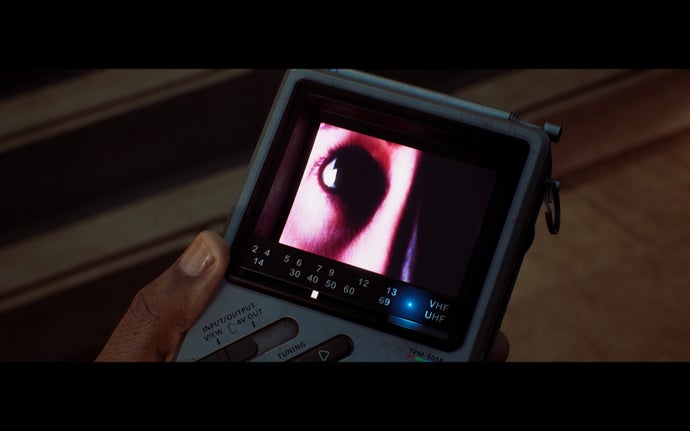
Silent Hill: Townfall, developed by Screen Burn and published by Konami, is set in the fictional late-90s Scottish island of St Amelia, where three characters navigate a disaster-stricken community. The game follows Simon, a Black American hired by Richard, as they search for Zoe, a nurse overwhelmed by guilt and grief. The island’s eerie atmosphere is heightened by monstrous 'Others' and temporal distortions, reflecting the characters’ unresolved trauma. Screen Burn’s signature attention to period detail is evident in recreated 90s technology, though the game’s stealth-heavy gameplay may frustrate some players.
Townfall’s narrative unfolds through intersecting perspectives, with Simon’s journey between a pier and a hotel room mirroring his psychological struggles. Zoe’s storyline delves into the brutal realities of British NHS staff during the early Covid pandemic, portraying structural misogyny and systemic failure. The game’s puzzles, often involving mundane tasks like deciphering keycodes or operating retro computers, serve as extensions of its themes. The use of payphones and desktop computers adds authenticity, though the stealth mechanics occasionally disrupt immersion.
The game’s horror is rooted in its exploration of trauma, with characters trapped in cycles of reliving past events without resolution. The 'Others'—grotesque creatures of divided flesh—embody the community’s collective suffering, their origins left deliberately ambiguous. Screen Burn’s approach avoids typical Silent Hill tropes, instead focusing on the mundane horrors of corporate neglect and bureaucratic indifference. The late-90s setting, marked by North Sea oil production and pre-broadband limitations, provides a fresh backdrop for Silent Hill’s psychological themes.
Townfall’s strongest moments lie in its atmospheric storytelling and period-accurate details, though its reliance on stealth mechanics may feel out of place. The game’s puzzles, while often compelling, are occasionally overshadowed by the need to navigate stealth sections. Screen Burn’s ability to evoke nostalgia and dread through recreated technology and environments is commendable, even if the overall experience doesn’t fully escape the shadow of its predecessors. The game’s exploration of grief and systemic failure remains its most haunting aspect.