New Research: Patients Trust Their Doctor’s AI Agents 3x More Than Public AI
A Salesforce survey of over 3,200 patients across eight countries reveals strong demand for AI in healthcare, provided it includes human oversight, transparency, and secure data handling, with trust highest when AI is integrated into providers' systems.
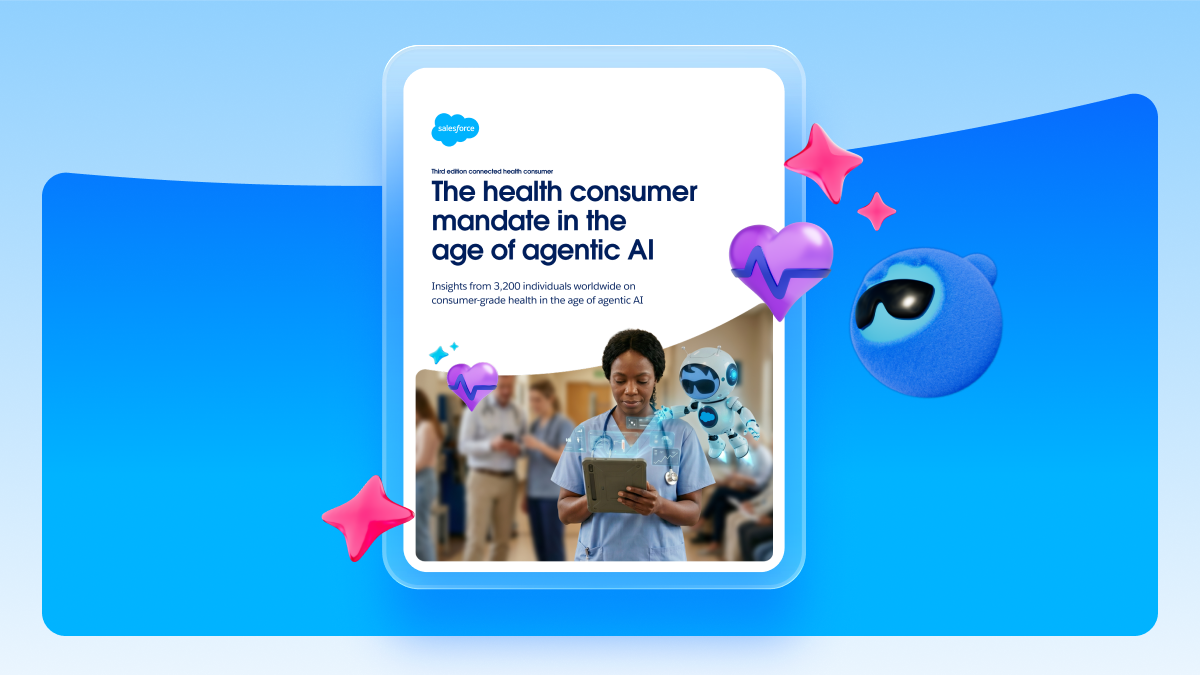
A Salesforce study of more than 3,200 patients across eight countries found that 90% of patients require medical AI to include human oversight, with nearly 9 in 10 insisting on a clear path to a real person. The survey highlights widespread frustrations with healthcare systems, including delays in scheduling, prescription approvals, and poor coordination between providers. Patients report skipping or delaying care due to confusing digital processes, with 49% hanging up after 10 minutes on hold and 66% running out of medication while waiting for refills.
The research shows a rapid shift in AI adoption, with 60% of global consumers now using AI for personal health inquiries, up from just 2% in 2024. Healthcare providers are increasingly relying on AI for clinical workflows, scheduling, and treatment recommendations. Patient comfort with AI in healthcare has grown, with 61% expressing comfort using agentic AI and 64% willing to share full medical histories for faster diagnoses. However, concerns remain, with 36% citing accuracy of diagnosis or treatment as a primary worry and 30% concerned about data privacy and security.
Trust in AI is heavily influenced by its source, with patients three times more likely to trust an AI agent integrated into their doctor’s secure portal than one available through a public chatbot or general health site. The demand for transparency and accountability is underscored by quotes from healthcare leaders like Tyler Bauer of UChicago Medicine, who emphasizes the need for patient information protection and always-available human escalation paths.
The survey also reveals significant loyalty implications, with 44% of patients indicating a 24/7 agentic assistant would make them more likely to stay within a provider’s network for follow-up care. Patients managing chronic conditions are particularly affected, with 65% saying a 24/7 digital helper would ease health management. The research concludes that patients are ready to embrace AI but only when it is built on transparent, governed foundations with clear escalation paths and provider-backed deployment.