New York program funds $13 million in energy storage advancement projects
New York State awards nearly $13 million to 15 projects advancing long-duration energy storage solutions to strengthen grid resilience and reduce costs.
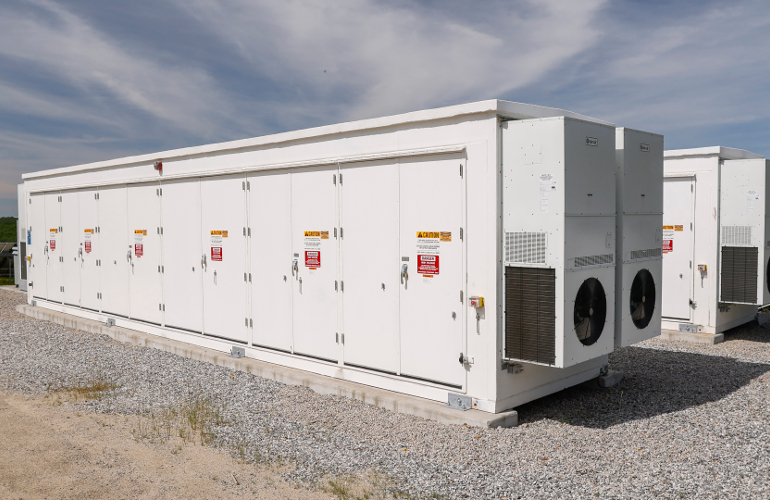
The New York State Energy Research and Development Authority (NYSERDA) announced nearly $13 million in grants for 15 projects focused on developing and demonstrating long-duration and advanced battery energy storage systems. The funding targets scalable solutions exceeding 10 hours of duration at rated power, aiming to address grid congestion, hosting capacity constraints, and lithium-ion limitations. NYSERDA President and CEO Doreen M. Harris emphasized the role of these technologies in building a flexible and resilient grid while lowering costs for consumers.
Projects receiving awards include new designs for scalable long-duration energy storage (LDES) systems, which are intended to deliver power during peak demand periods and improve grid performance. The selected technologies also aim to mitigate challenges such as grid congestion and hosting capacity constraints, while avoiding lithium-ion siting limitations. Public Service Commission Chair Rory Christian highlighted the critical role of storage in supporting a reliable, cost-effective, and lower-emissions energy system as renewable integration expands.
All contracts were awarded to companies located in New York, partnered with New York-based firms, or for in-state development and demonstrations. The funding originates from the state’s Clean Energy Fund and supports NYSERDA’s Innovation and Research (I&R) program, which invests over $96 million annually to attract energy innovators and reduce private investment risks.
NYSERDA’s I&R program leverages $15 in additional investment for every $1 spent and has partnered with over 900 companies to commercialize more than 300 products for consumers, businesses, and utilities. The initiative aligns with New York’s broader clean energy goals by accelerating the deployment of advanced storage technologies to enhance grid reliability and affordability.