Invasive mosquito species detected in east London
The UK Health Security Agency reports the first detection of invasive Aedes aegypti mosquitoes breeding in the UK, detected in east London through its surveillance programme.
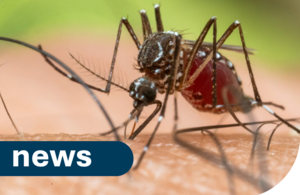
The UK Health Security Agency (UKHSA) has identified invasive Aedes aegypti mosquitoes and larvae at residential properties in east London, marking the first time this species has been found breeding in the UK. The discovery was made through UKHSA’s Mosquito Watch surveillance scheme, which monitors for new or invasive mosquito species. Control measures have been implemented to destroy the larvae, and the area will undergo continued monitoring to prevent further spread.
While Aedes aegypti can transmit diseases such as dengue, chikungunya, and Zika virus in regions where these infections circulate, UKHSA assesses the public health risk from this finding as very low. There is no evidence of human infections linked to these mosquitoes, and no larvae or adults have been detected in nearby public areas. UKHSA attributes the presence of these mosquitoes to accidental importation via vehicles, baggage, or imported plants.
The species is not established in the UK and cannot survive long-term due to the country’s typically cold climate, though recent heatwaves have allowed temporary survival. UKHSA notes that climate warming may increase future incursions of invasive mosquitoes, making continued surveillance necessary. Residents are advised to remove standing water from gardens and outdoor spaces to reduce breeding opportunities for all mosquito species.
UKHSA encourages the public to support mosquito detection efforts by submitting photographs or specimens through the Mosquito Watch scheme. The agency will maintain close monitoring of the situation to assess any further developments and ensure rapid public health action if required.