Parents urged to vaccinate children at the right time to protect them
UKHSA reports stabilising childhood vaccine uptake before primary school but warns rates remain below WHO targets, increasing disease risk.
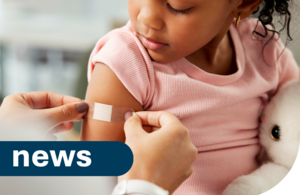
The UK Health Security Agency (UKHSA) has published data showing that vaccine uptake for children starting primary school has stabilised after a decade of decline, though rates remain below the World Health Organization’s 95% target. Uptake for vaccines measured at age one and two has decreased, raising concerns about outbreaks of highly infectious diseases like measles in schools. UKHSA emphasises that timely vaccination is critical to protect children when they are most vulnerable and ensure readiness for nursery and school. The stabilisation at age five is partly attributed to NHS catch-up activities and a government campaign launched in February 2026 to reverse declining uptake through trusted information and improved access.
Despite the stabilisation, the 4-in-1 pre-school booster remains the lowest-performing vaccine, with a slight increase from 81.3% to 81.9% in 2025-26, though it is unclear if this signals a sustained upward trend. The UK’s childhood vaccination programme is described as comprehensive, yet none of the vaccines meet the WHO target due to a decade-long decline in uptake. Even at around 90% coverage, thousands of children remain unprotected annually, accumulating to hundreds of thousands at risk of serious illness each year. UKHSA stresses that while stabilisation is encouraging, sustained efforts are needed to ensure all children are fully protected when most vulnerable to preventable diseases.
UKHSA and NHS England have intensified efforts to improve uptake, including additional clinics, school-based catch-up sessions, and targeted outreach in low-uptake areas. Geographical disparities persist, with London recording the lowest coverage across all vaccine indicators. The data reflects ongoing collaboration between NHS England, regional Integrated Care Systems (ICS) teams, and UKHSA to address barriers to vaccination and improve access for families. These initiatives aim to reverse the decline and ensure children receive vaccines at the recommended ages to prevent outbreaks and severe health outcomes.
Parents are urged to verify their children’s vaccination status and contact their GP practice to arrange catch-up appointments if needed. Vaccines are provided free on the NHS, starting from eight weeks old, with boosters and additional doses throughout childhood. Since January 2026, the NHS has included a chickenpox vaccine in the routine schedule, offering the combined MMRV vaccine for protection against measles, mumps, rubella, and varicella. UKHSA and NHS England continue to promote vaccination as a critical public health measure to prevent hospitalisations and safeguard children from preventable diseases.