Justice reforms to be rolled out faster as Justice Secretary sets out changes to Courts Bill
Justice Secretary scraps plans for judge-only criminal trials to prioritise jury trials, accelerating court reforms to reduce case backlogs and deliver faster justice for victims.
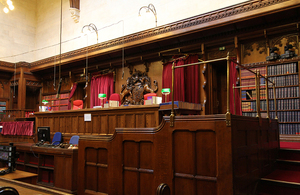
The Justice Secretary announced changes to the Courts Bill to scrap plans allowing some criminal trials to be heard by judges alone, ensuring serious cases remain jury-based. This decision aims to address the record backlog of cases, with nearly 81,000 cases pending in the Crown Court, including nearly a third waiting over a year. The reforms seek to restore public confidence in the justice system by prioritising victims' access to timely court hearings. The government will focus on long-term structural changes to modernise courts and improve efficiency.
Millions will be invested in new technology to modernise outdated courts and reduce inefficiencies, while judges will receive additional resources to handle more cases. Structural reforms will include giving magistrates the power to impose longer sentences, enabling quicker case resolutions and faster justice for victims. The government also plans to allow technical and lengthy fraud offences to be heard by judges alone, reducing the burden on jurors in complex trials. Courts will gain greater control over case allocation to prevent minor offences from clogging the system through jury trial elections.
The Justice Secretary acknowledged the backlog crisis inherited by the government, with victims waiting years for justice, and committed to delivering swifter resolutions. Changes to the Courts and Tribunals Bill will be made to reflect the scrapped judge-alone trial plans, with the bill returning to Parliament later this month. The government will also introduce a statutory commitment to assess structural reform impacts on ethnic minorities and diverse backgrounds, led by an independent reviewer. This ensures reforms are inclusive and address systemic disparities in the justice system.
The government will outline further steps to improve court efficiency in its response to Lord Leveson’s report, including using AI for case listings, expanding virtual hearings, and enforcing timely defendant appearances. These measures aim to tackle the backlog by leveraging technology and operational improvements. The announcement follows confirmation of a record-high backlog in the Crown Court, highlighting the urgent need for systemic change. The reforms reflect a commitment to delivering fairer and faster justice through investment and structural overhaul.