Outbreaks of Koi herpesvirus (KHV) disease in 2026
The UK’s Fish Health Inspectorate confirmed KHV outbreaks at sites in England and Wales in 2026, prompting statutory controls and movement restrictions to limit spread.
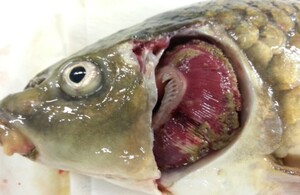
The Fish Health Inspectorate (FHI) detected Koi herpesvirus (KHV) disease in fish at multiple sites across England and Wales. KHV is a serious viral infection affecting common and ornamental carp species, often causing high mortality rates. The disease is notifiable under UK regulations, requiring immediate reporting if suspected. Fish showing signs such as lethargy or gill damage at water temperatures between 16°C and 28°C must be reported to the FHI.
Sites with confirmed KHV outbreaks must follow a formal monitoring programme overseen by the FHI. Inspectors assess disease presence and verify compliance with statutory controls. If KHV is confirmed, the FHI imposes confirmed designations to restrict disease spread. These measures include movement controls on aquatic animals, biosecurity enhancements, and potential culling of infected fish.
Laboratory confirmation of KHV triggers statutory controls to limit transmission. Movement restrictions apply to live fish, eggs, and gametes within designated areas. Site operators must obtain FHI permission before moving fish or altering site activities. Enhanced biosecurity and disinfection protocols are enforced to prevent further outbreaks.
The outbreak at Growing Facility, Tree Farm in Aspley Guise, Milton Keynes, was confirmed on 10 September 2026. KHV has been a notifiable disease in the UK since 2007 under The Aquatic Animal Health (England and Wales) Regulations 2009. The FHI’s surveillance programme aims to control and, where possible, eradicate KHV through targeted interventions.