The UK is committed to respecting and defending the right of the people of its Overseas Territories to determine their own future: UK Statement at the UN Fourth
The UK reaffirmed its commitment to the self-determination of its Overseas Territories, highlighting partnership, shared values, and constitutional responsibilities at the UN Fourth Committee.
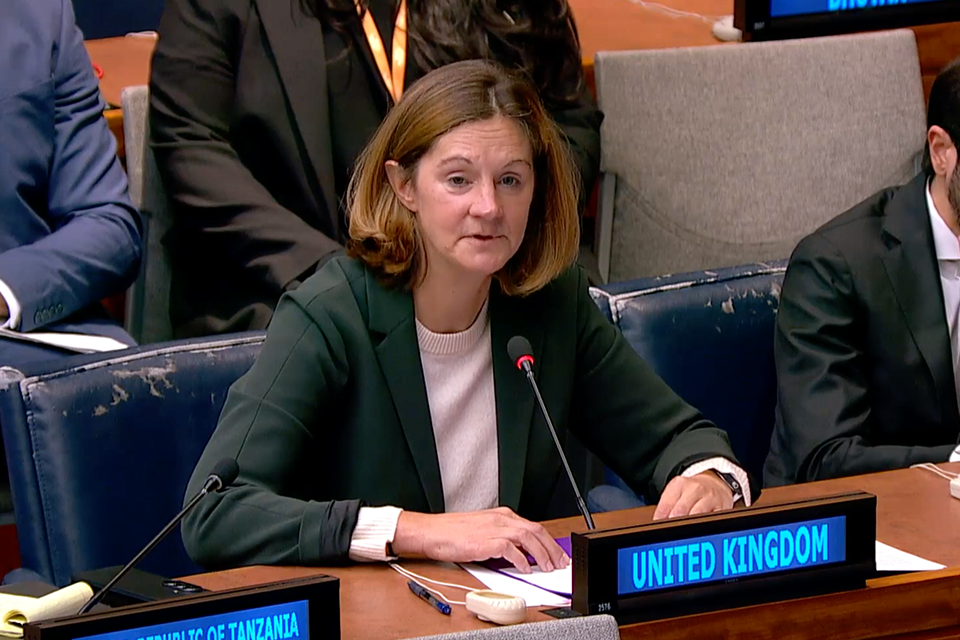
Ambassador Kate Foster, UK Deputy Permanent Representative to the UN, opened the session by congratulating the newly elected Bureau of the UN’s Special Political and Decolonisation Fourth Committee. She underscored the UK’s productive working relationship with the Committee and its commitment to transparency and cooperation throughout the session.
The UK reiterated its modern partnership with Overseas Territories, grounded in shared values and the right of their people to determine their future. Each Territory remains self-governing, with the UK retaining powers only to fulfill international obligations. Annual Joint Ministerial Councils drive collective priorities, including environmental protection and security, reflecting the UK’s constitutional responsibilities.
The UK highlighted its financial and practical support for Overseas Territories, including a £100 million reconstruction programme in Anguilla following Hurricane Irma. Recent infrastructure projects include a new port in Saint Helena, a hospital under construction in Montserrat, and operational coastal radars in Turks & Caicos, aimed at enhancing local resilience and capacity.
The UK restated its commitment to Gibraltar’s right to self-determination, referencing the 2006 Constitution and the EU-UK Agreement signed in Brussels on 14 July 2026. It emphasized that sovereignty negotiations would only proceed with Gibraltar’s consent and that the UK’s positions on the Falkland Islands and South Georgia and the South Sandwich Islands remain unchanged.