How El Niño offers a test of whether the world can adapt to a changing climate
El Niño’s strengthening presence tests global climate adaptation as leaders convene at the UN, where experts warn of intensified droughts, floods and food insecurity risks already materializing.
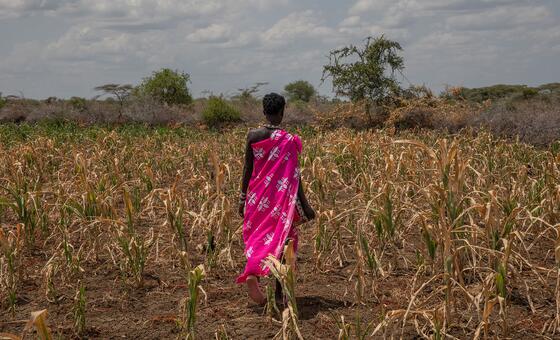
El Niño is intensifying in a warmer world, increasing risks of drought, floods and crop failures in key food-producing regions. Unlike sudden disasters, its development can be tracked months in advance, offering governments a chance to prepare. UN officials emphasize that this period serves as a practical test of climate adaptation, with early warnings and preparedness measures critical to protecting harvests and food security.
The World Meteorological Organization (WMO) reports the current El Niño is rapidly strengthening and is expected to peak by year’s end, with impacts persisting beyond that point. WMO Secretary-General Celeste Saulo highlighted the availability of forecasts and scientific data, enabling governments to anticipate risks before they fully materialize. Meanwhile, the Food and Agriculture Organization (FAO) combines historical data with current conditions to map vulnerable areas at high resolution, guiding targeted interventions.
FAO identifies high risks of agricultural drought in Southern Africa, the Sahel, Central America’s Dry Corridor, and parts of South and Southeast Asia, while heavier rainfall and flooding threaten other regions. The 2023–2024 El Niño already caused severe disruptions, including a 43% drop in Morocco’s cereal yields and a century’s worst drought in Southern Africa, leaving 61 million people needing assistance and pushing over eight million into food insecurity.
Preparation measures include drought-resistant seeds, improved water storage, soil health, livestock protection, and early warnings for farmers to adjust planting or crops. FAO stresses the urgency of acting by early 2025 to safeguard the next harvest, noting that these adaptations also strengthen resilience against long-term climate change. However, climate-related funding for agrifood systems fell by 10% in 2024, with Africa seeing a 20% decline despite increased overall climate finance to the continent.