Babcock launches national skills study to help engineer the future of defence
Babcock and the University of Oxford’s SKOPE launched a national skills study to address the UK defence sector’s engineering talent shortage amid rapid technological change.
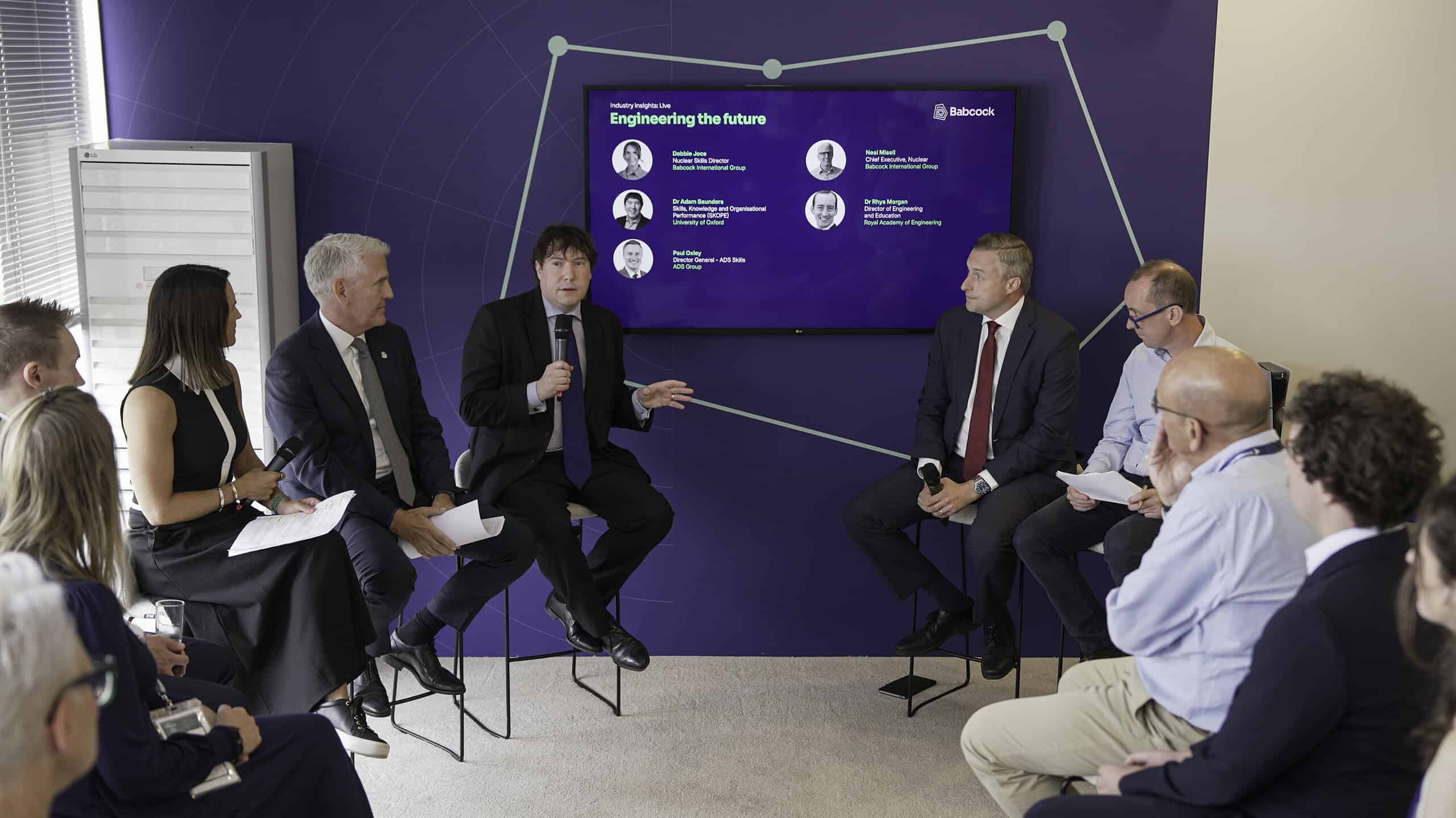
Babcock International unveiled *Engineering the Future of Defence*, a skills study developed with the University of Oxford’s SKOPE, at the Farnborough International Airshow. The initiative aims to bridge gaps between engineering education and industry needs by examining how curricula can adapt to advancements in AI, autonomous systems, cyber security, and advanced manufacturing. The programme will gather insights through interviews and a nationwide survey of UK STEM talent, with findings published in a co-authored report in Autumn 2026 to inform policy discussions.
The UK defence sector faces a critical shortage of skilled engineers, with demand outpacing supply as technologies evolve faster than traditional training models. Babcock’s initiative seeks to address this by fostering collaboration between government, academia, and industry to strengthen the talent pipeline. Sir Nick Hine, Babcock’s Chief Growth Officer, highlighted the need for collective action to sustain sovereign defence capabilities amid rapid technological transformation.
James Robson, Director of SKOPE, emphasised the study’s focus on understanding the skills ecosystem in defence and identifying policy and industry requirements for transformation. The research will explore the aspirations and challenges faced by future engineers, aiming to shape long-term strategies for the sector’s success. The initiative builds on Babcock’s broader workforce development efforts, including its Emerging Talent Programme, which has been recognised with multiple national awards.
Over the 2025/26 period, Babcock has recruited over 1,600 graduates and apprentices, investing in key areas such as cyber security, nuclear engineering, and space systems. The company’s skills programmes, including apprenticeships and graduate schemes, have been acknowledged at the Enginuity Skills Awards 2026. Initiatives like the Festival of Engineering have also inspired young people to pursue careers in STEM, reinforcing the need for sustained collaboration to meet future defence and national security demands.