These cranberry bogs come with a side of solar
Two Massachusetts cranberry farms now harvest berries beneath solar panels, pioneering dual-use agrivoltaics to sustain agriculture and energy production on protected wetlands.
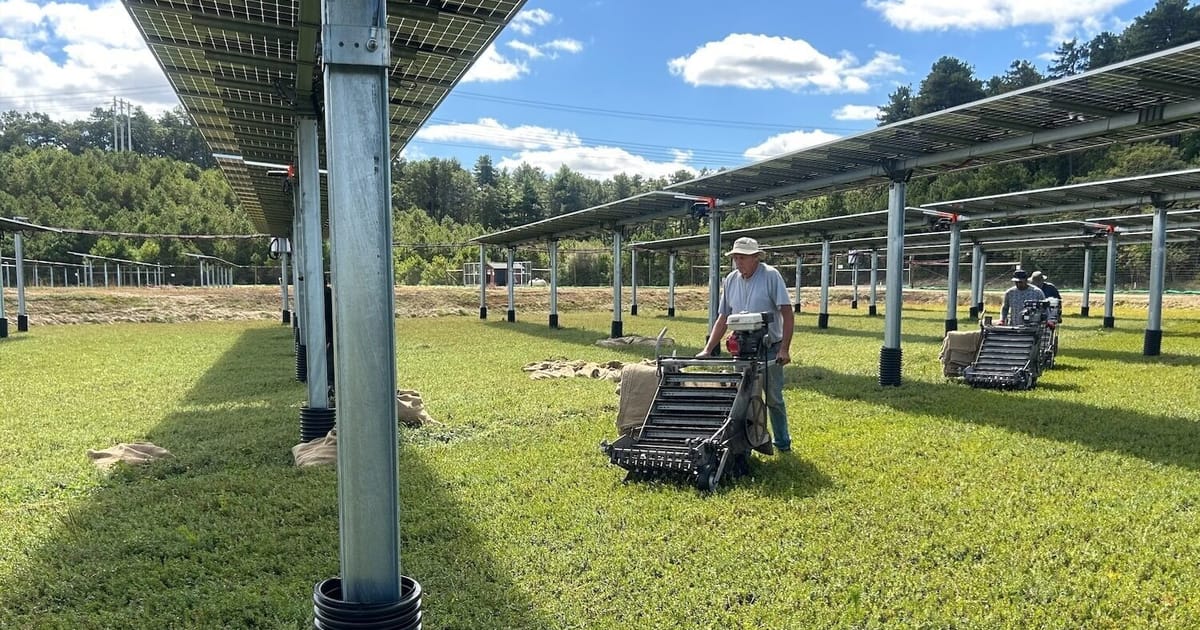
Cranberry harvests in southeastern Massachusetts this season are taking place beneath solar panels at two pioneering farms, marking the first such operations in the country. Equipment operators navigate between metal poles supporting elevated photovoltaic arrays while pickers collect berries destined for holiday products. The installations, built by Distributed Energy Infrastructure, pair solar generation with active agricultural use, demonstrating a model that preserves farmland while producing renewable energy.
The projects in Kingston and Plymouth were developed by Greenbacker Renewables on land previously used for cranberry farming, purchased from retiring growers. Both sites operate under a community solar model, selling power to subscribers seeking lower costs and environmental benefits. Massachusetts’ solar incentive program provides an additional 9 cents per kilowatt-hour for agrivoltaic projects, enhancing their financial viability compared to standard solar arrays.
Constructing solar arrays over cranberry bogs required overcoming unique challenges, including deep pilings to stabilize foundations in wetland soil and overhead wiring to avoid water damage. Panels are mounted 10 feet high with adjustable tilts to maximize sunlight exposure, while pilings are spaced to allow harvesting machinery to move freely. The design reflects collaboration between solar developers and cranberry farmer Iain Ward, who manages the growing operations beneath the arrays.
The success of these projects has spurred additional agrivoltaic ventures, including installations in apple orchards, cattle pastures, and a Christmas tree farm. A stalled cranberry solar project in Carver, abandoned after its original developer’s bankruptcy, may now be revived by the new landowner. Industry observers anticipate accelerated development as lessons from early projects inform future designs, though the transition remains gradual.