APOD: 2026 November 4 – The Not-So-Hidden Galaxy, IC 342
NASA’s Astronomy Picture of the Day highlights IC 342, a spiral galaxy obscured by the Milky Way’s dust and stars, revealing its structure and role in a nearby galactic group.
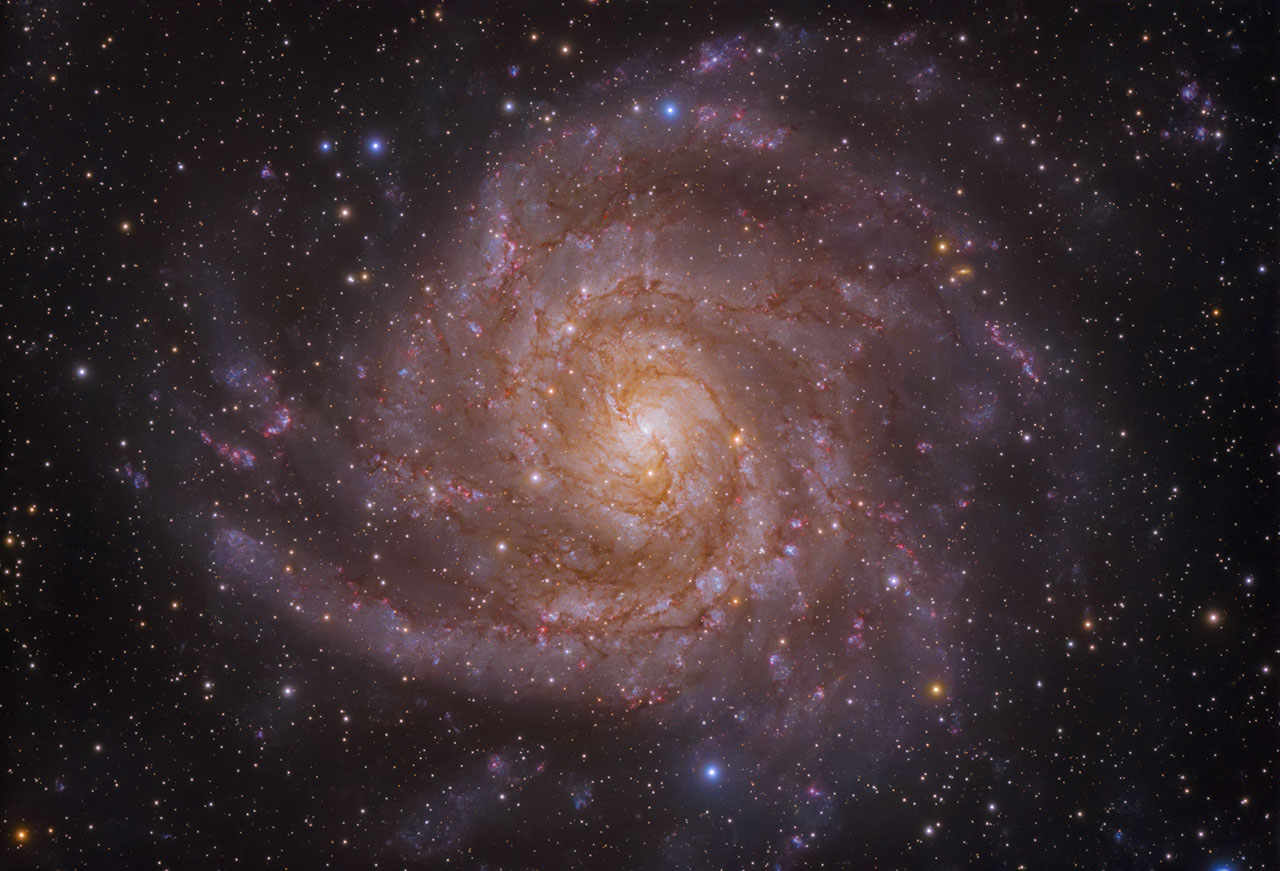
NASA’s Astronomy Picture of the Day (APOD) features a striking image of IC 342, a spiral galaxy often obscured by the dense gas, dust, and stars of the Milky Way’s plane. The photograph, captured by a professional astronomer, provides a rare glimpse through the foreground clutter to showcase IC 342’s spiral arms and bright core. The image underscores the challenges astronomers face when observing galaxies positioned behind the Milky Way’s crowded and dusty regions.
IC 342, also known as Caldwell 5, is among the brightest members of the IC 342/Maffei group of galaxies, a collection of galaxies located approximately 10 million light-years from Earth. This group is situated near the Local Group, which includes the Milky Way and the Andromeda Galaxy. The proximity of IC 342 to the Local Group has historically led to debates about its origins, including the unfounded theory that it was ejected from the Local Group.
The galaxy’s own dust clouds intermittently block the glow of hydrogen gas, signaling the presence of young, massive stars forming within its spiral arms. These obscured regions create gaps in the visible light, making detailed observations difficult but also highlighting the dynamic processes at play in star formation. Astronomers use such observations to study the lifecycle of stars and the influence of dust on galactic evolution.
Magnetic field maps of IC 342 reveal that magnetic fields may play a significant role in shaping the galaxy’s spiral arms. This discovery contributes to the ongoing scientific debate about how spiral galaxies form and maintain their distinctive structures. The findings suggest that magnetic fields could be a key factor in the formation and stability of spiral arms, offering new insights into galactic dynamics.