Crypto-Friendly Business Bank Accounts: What to Look For Before You Settle to Fiat
Merchants settling crypto payments to fiat must choose banks or EMIs that explicitly accept transfers from licensed crypto providers to avoid delays or account freezes.
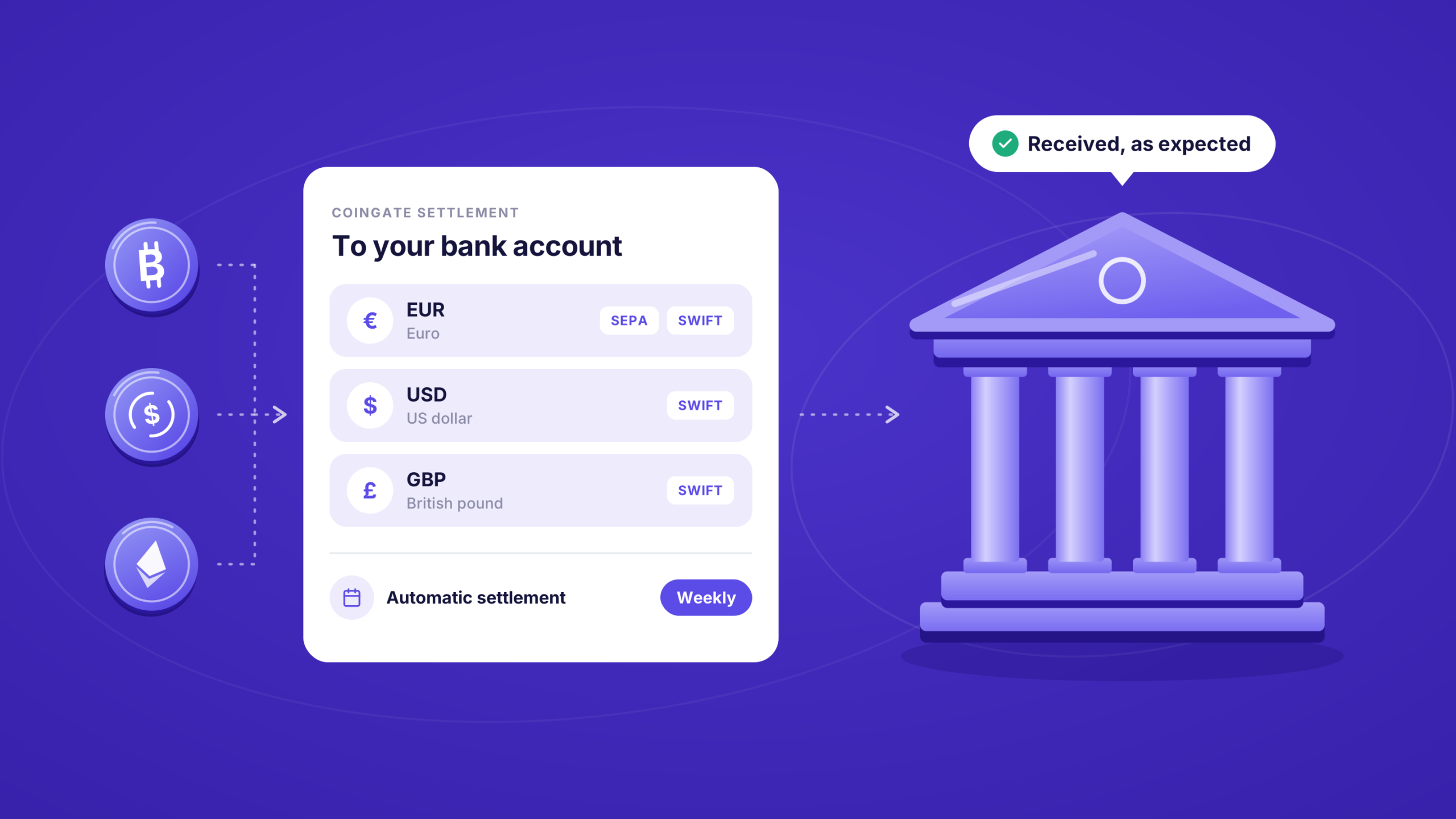
Most merchants convert crypto sales to fiat, with 75.4% of CoinGate orders settled to fiat in the first half of 2026, according to internal data. Banks vary widely in their tolerance for transfers from crypto payment processors, making the choice of account critical. A crypto-friendly label does not guarantee smooth processing; merchants must verify policies before opening an account. Clear communication with the bank about the nature of incoming transfers can prevent unnecessary scrutiny or delays.
Settlement currencies determine the type of account required. Euro settlements align with SEPA transfers, while dollar or pound settlements require SWIFT-enabled accounts. Matching the settlement currency to the account currency avoids additional conversion fees. If no fiat currency is selected, balances default to USDC, which does not facilitate direct bank transfers. Understanding these mechanics helps merchants select the most efficient and cost-effective banking setup.
Electronic money institutions (EMIs) and banks offer business accounts with IBANs, but protections differ. EU banks provide deposit insurance up to €100,000, while EMIs safeguard funds through separate accounts or insurance policies. Neither option is inherently superior; the choice depends on the merchant’s risk tolerance and balance size. Large or long-term balances may warrant splitting settlement and reserve accounts for added security.
Merchants should prepare documentation and maintain clear records to address bank inquiries. Using the business’s legal name, matching beneficiary details, and batching SWIFT transfers reduce complications. Proactively informing the bank about expected transfers from a crypto payment provider minimizes delays. Detailed statements and ledger exports can substantiate the source of funds if questioned.