Industrial Microgrids
ESS Tech introduces long-duration energy storage solutions to help industrial users cut costs, integrate renewables, and ensure backup power during outages or high-demand periods.
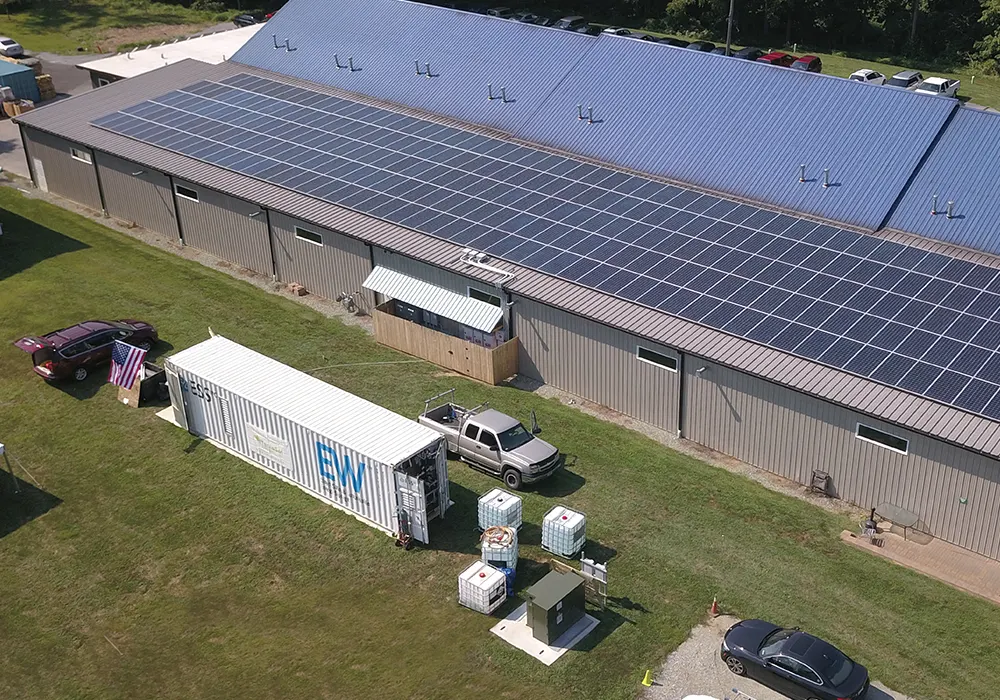
ESS Tech provides scalable energy storage systems designed for industrial users, enabling backup power and cost management. The ESS Energy Center offers at least eight hours of energy in modular units, suitable for campus-sized microgrids. By discharging stored energy during peak demand, users can reduce demand charges, which may account for up to half of a commercial electricity bill. Charging during off-peak hours and discharging when rates rise further lowers expenses, while stored solar energy avoids export at low rates.
Long-duration storage ensures reliable backup power during grid outages caused by events like Public Safety Power Shutoffs or extreme weather. ESS systems can provide up to 12 hours of capacity to maintain operations when the grid fails. In some regions, stored energy can also support grid reliability by participating in energy markets for frequency and voltage regulation. These capabilities enhance operational resilience for industrial facilities.
The ESS Energy Warehouse was integrated with a 115 kW DC solar array at Sycamore International’s recycling facility in West Grove, Pennsylvania, forming a microgrid. Developed by TerraSol Energies, the project reduces peak electricity demand and provides backup power for the technology recycling company. The installation was highlighted at a ribbon-cutting event attended by U.S. Representative Chrissy Houlahan (PA-06).
For commercial and industrial customers, energy storage systems address peak electricity needs by discharging energy at critical usage points. This strategy effectively lowers demand charges, which are tied to the highest levels of power consumption. By optimizing energy use and integrating renewable sources, businesses can improve cost efficiency and sustainability while maintaining reliable operations.