Electrifying Transport
ESS Tech’s iron flow batteries will power Amsterdam Airport Schiphol’s shift from diesel ground units to electric, supporting its 2030 zero-emission goal and reducing airport-related carbon output.
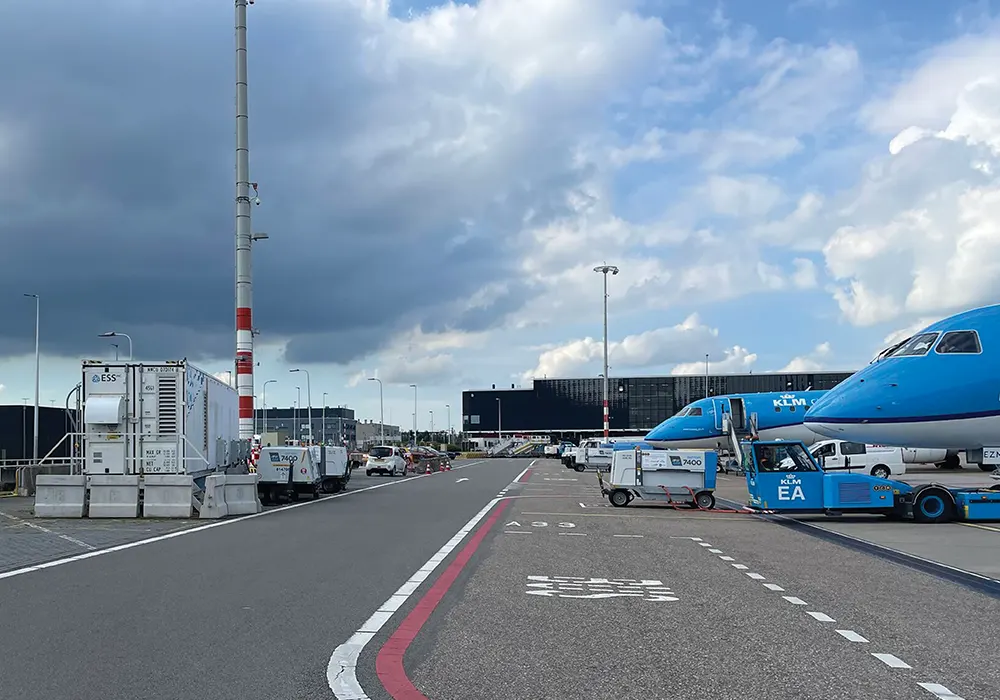
The transportation industry faces pressure to cut emissions, and reliable charging infrastructure is essential. ESS Tech’s iron flow batteries offer long-duration energy storage, enabling rapid deployment without grid upgrades. This technology supports electric vehicle charging operators in scaling capacity efficiently, addressing peak demand without delays. The system’s flexibility and safety make it suitable for high-usage environments where reliability is critical.
Amsterdam Airport Schiphol, one of Europe’s busiest hubs, is adopting ESS iron flow technology to replace diesel-powered ground units. These units currently supply power to aircraft at gates, contributing to local air pollution. The airport’s sustainability initiative aims for zero emissions and waste by 2030, with electrification of ground operations as a key step. The project will reduce carbon emissions and serve as a model for other airports pursuing similar goals.
The initiative highlights the role of long-duration energy storage (LDES) in accelerating electrification. ESS’s iron flow batteries provide longer lifespans and greater flexibility than lithium-ion alternatives, reducing the need for costly grid upgrades. The technology is particularly effective for applications requiring eight or more hours of energy storage, such as airport ground support equipment. Its fire-safe design ensures safe operation near passenger aircraft, addressing safety concerns in high-traffic environments.
ESS Tech’s selection for the Schiphol project underscores the growing adoption of LDES solutions in critical infrastructure. The technology’s cost-effectiveness and reliability make it a viable option for industries transitioning to electric operations. By demonstrating its capabilities in a high-profile setting, ESS aims to expand its role in supporting sustainable transportation systems globally.