Six in 10 Leaders Bet Big on Robots. Only Four in 10 Are Ready.
A 2026 Intel study finds 60% of leaders plan robot fleets within five years, yet only 40% have strategies to manage them, revealing a readiness gap in scaling automation.
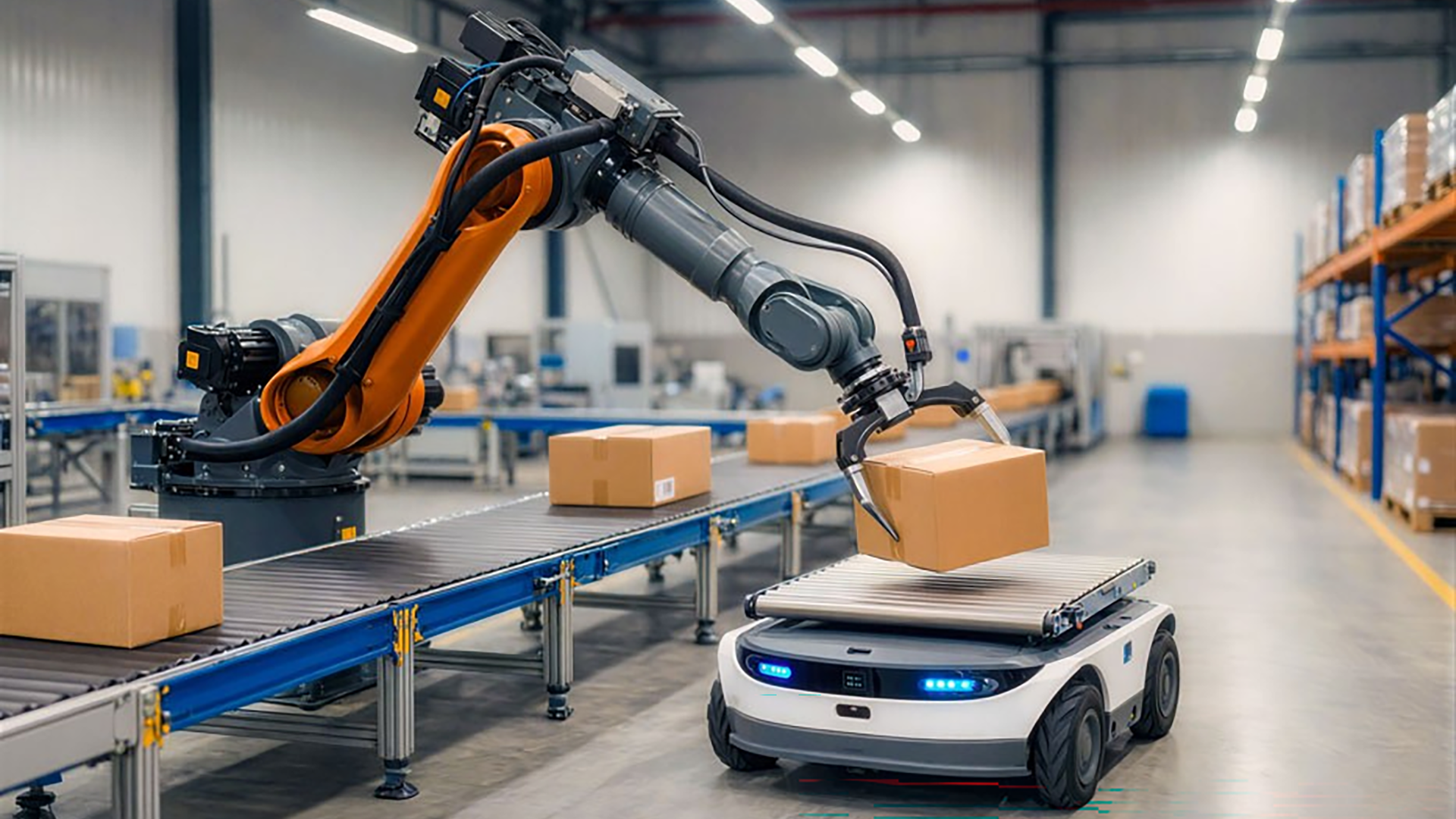
Intel’s report, *The Robotics Readiness Gap*, surveyed 800 senior leaders across six countries and found 60% expect their organizations to operate robot fleets within five years. However, just 40% have formal strategies to integrate robots into existing workflows. The study highlights a widening gap between ambition and operational preparedness, particularly in managing mixed human-robot teams. Conducted with Man Bites Dog and Coleman Parkes Research, the research focused on organizations with annual revenues exceeding $500 million.
Organizations already deploying robots report measurable improvements in productivity, service speed, and quality, treating robotics as a competitive necessity rather than an experiment. Intel argues that scaling robotics requires embedding Physical AI into core operations rather than layering it atop existing systems. The company identifies five critical factors for successful scaling, emphasizing the need for infrastructure that supports AI-powered perception and decision-making in dynamic environments.
Intel is positioning itself to address this gap by providing tools such as edge AI silicon, the Intel Robotics AI Suite, and OpenVINO Physical AI tools. These resources aim to help organizations transition from pilot projects to scaled deployment. The company’s investments are expected to expand manufacturing capacity in Ireland and create permanent high-tech jobs while engaging specialized tradespeople.
The research underscores that the next phase of robotics adoption will hinge on an organization’s ability to scale rather than merely deploy. Intel’s collaboration with Gemini Enterprise and Google Cloud further expands its AI workforce capabilities through scalable agentic workflows across business functions. The findings suggest that those who integrate robotics into their core operations will capture the full value of this shift.