Did You Know: 6 American Innovation Facts That Are Honestly Kind of Wild
Six historical U.S. innovations, from radar’s wartime origins to the Cold War hotline, reveal unexpected breakthroughs that reshaped global technology and continue to influence modern systems like L3Harris’s AERIS X and missile defense platforms.
In the 1920s, researchers at the U.S. Naval Aircraft Radio Laboratory observed aircraft disrupting radio signals, leading to the development of radar. By World War II, radar became essential for detecting distant threats, transforming air defense and civilian aviation. Today, L3Harris’s AERIS X airborne early warning platform extends this legacy with a 360-degree surveillance system designed for contested environments, enabling rapid threat detection and information sharing across large areas.
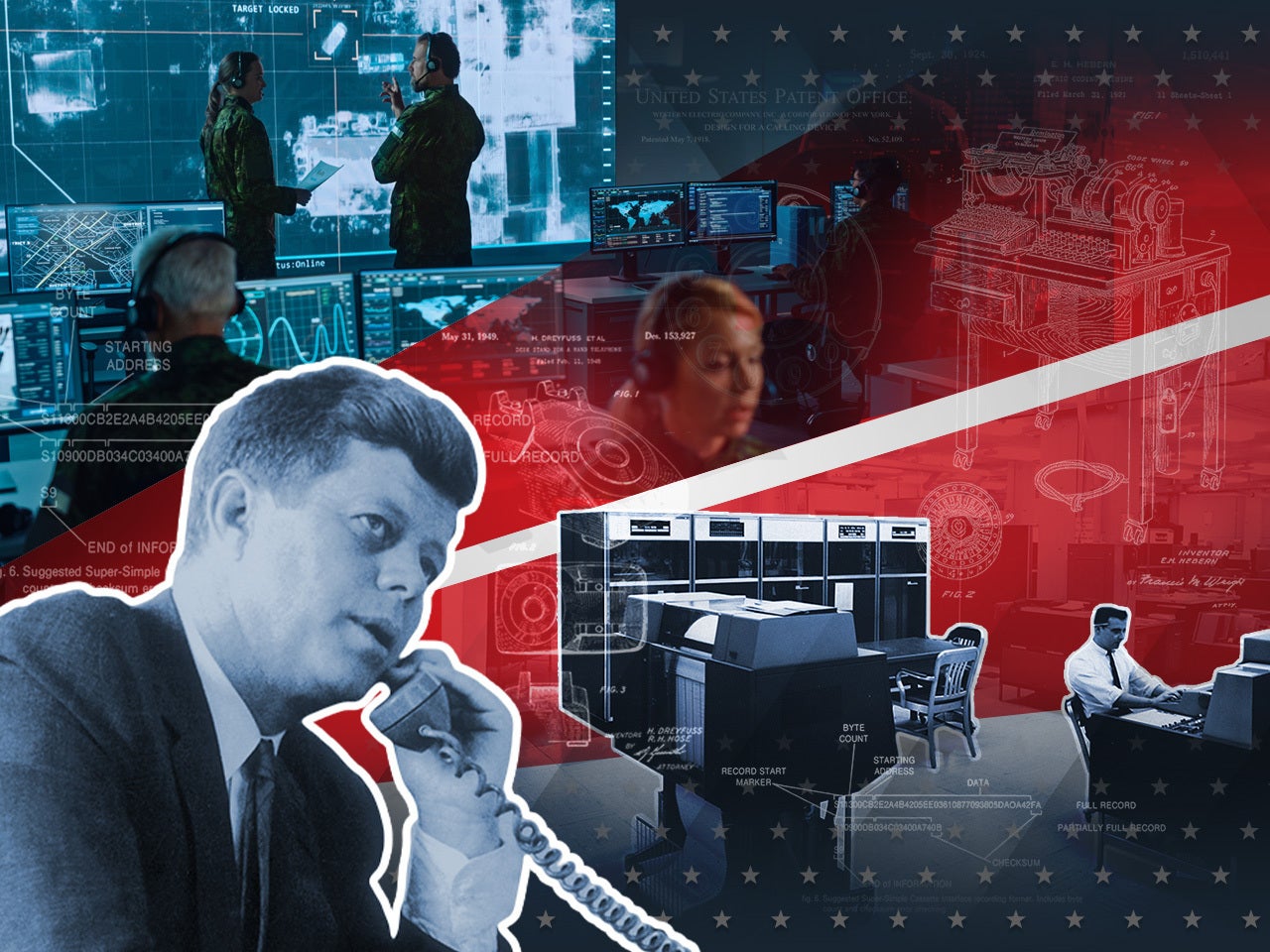
The 1962 Cuban Missile Crisis prompted the creation of the Washington-Moscow Hotline in 1963 to prevent miscommunication between U.S. and Soviet leaders. Built by L3Harris’s predecessor, Harris Corporation, the system used secure text-based communications via transatlantic cables and radio links to reduce translation errors. The hotline symbolized Cold War crisis management, and L3Harris now supports resilient communications for leaders through programs like the U.S. Air Force’s Survivable Airborne Operations Center, ensuring connectivity during critical moments.
Before satellites, weather forecasting relied on ground observations with limited accuracy. In the 1960s, the U.S. pioneered weather observation from orbit, enabling real-time monitoring of storms and atmospheric activity. L3Harris and its heritage companies contributed to these systems, later adapting infrared sensing technology to track missile threats, including hypersonic glide vehicles that are fast, maneuverable, and difficult to detect due to their subtle heat signatures.
In 2012, filmmaker James Cameron transmitted the world’s deepest tweet from the Challenger Deep in the Mariana Trench using L3Harris acoustic modem technology. Operating under extreme pressure, darkness, and near-freezing temperatures, the system maintained communications from nearly 11 kilometers below sea level. This achievement demonstrated the adaptability of L3Harris’s technology in the harshest environments, supporting applications from deep-sea exploration to secure communications in isolated or contested settings.