FAA Awards L3Harris Airspace Surveillance Modernization Contract to Enhance Aircraft Tracking and Safety
The FAA awarded L3Harris a contract to upgrade and operate the U.S. aircraft tracking network through 2045, enhancing real-time surveillance and airspace safety.
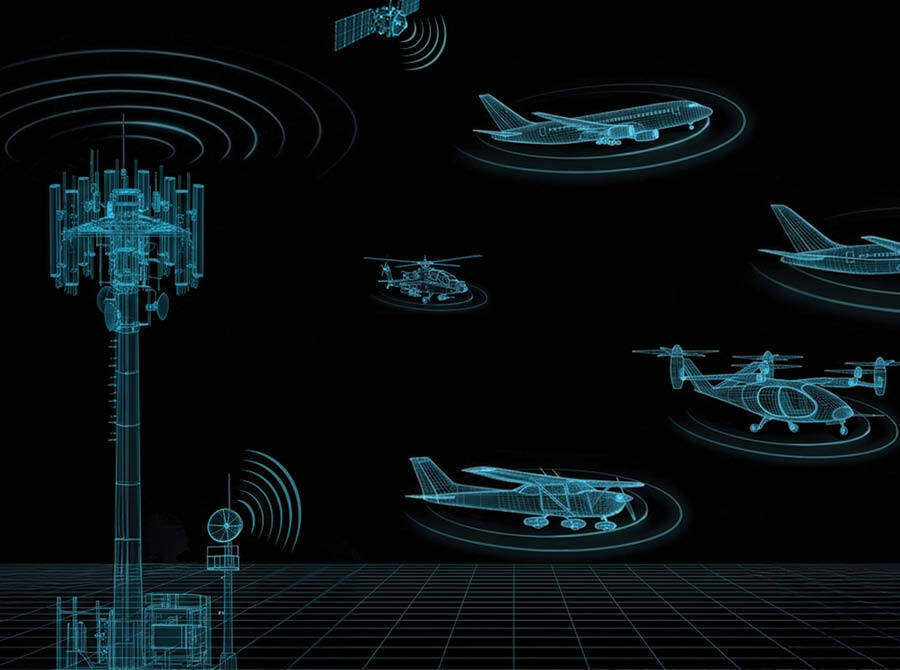
The Federal Aviation Administration (FAA) has awarded L3Harris Technologies a contract to modernize and operate the nation’s aircraft tracking network through 2045. The upgrade will involve more than 700 ground stations, providing real-time, satellite-based flight positioning data to air traffic controllers nationwide. The modernization aims to address evolving airspace demands while improving safety for all air travelers. L3Harris will also deploy advanced security measures to protect critical airspace data.
L3Harris will expand surveillance capabilities to track emerging entrants in the National Airspace System, including new aircraft types and technologies. The company currently operates the largest terrestrial air traffic surveillance network globally, integrating thousands of data sources. This network delivers information to hundreds of FAA and government facilities via a 24/7 operations center. The contract builds on nearly two decades of reliable operations and innovations within the FAA’s surveillance system.
Kathy Crandall, President of Mission Networks, Space & Mission Systems at L3Harris, stated that the company is advancing the FAA’s modernization vision by delivering advanced surveillance infrastructure. She emphasized that expanding network capacity will help maintain U.S. leadership in air traffic management. The upgrades are designed to ensure the continued safety and efficiency of the National Airspace System for decades to come.
L3Harris has also reached a milestone in modernizing the FAA’s Telecommunications Infrastructure (FTI), completing 50% of a nationwide effort to rebuild the backbone connecting radar facilities and air traffic control centers. The company’s Data Comm system is expected to reduce errors common in voice communications, such as misheard instructions or transposed call signs, further enhancing aviation safety.