Scientists Develop Predictive Roadmap to Boost Performance in Next-Gen Spintronics
Researchers at Lawrence Berkeley National Laboratory developed a data-driven method to optimize chiral 2D metal halide perovskites for spintronics, addressing reproducibility issues in circularly polarized light applications.
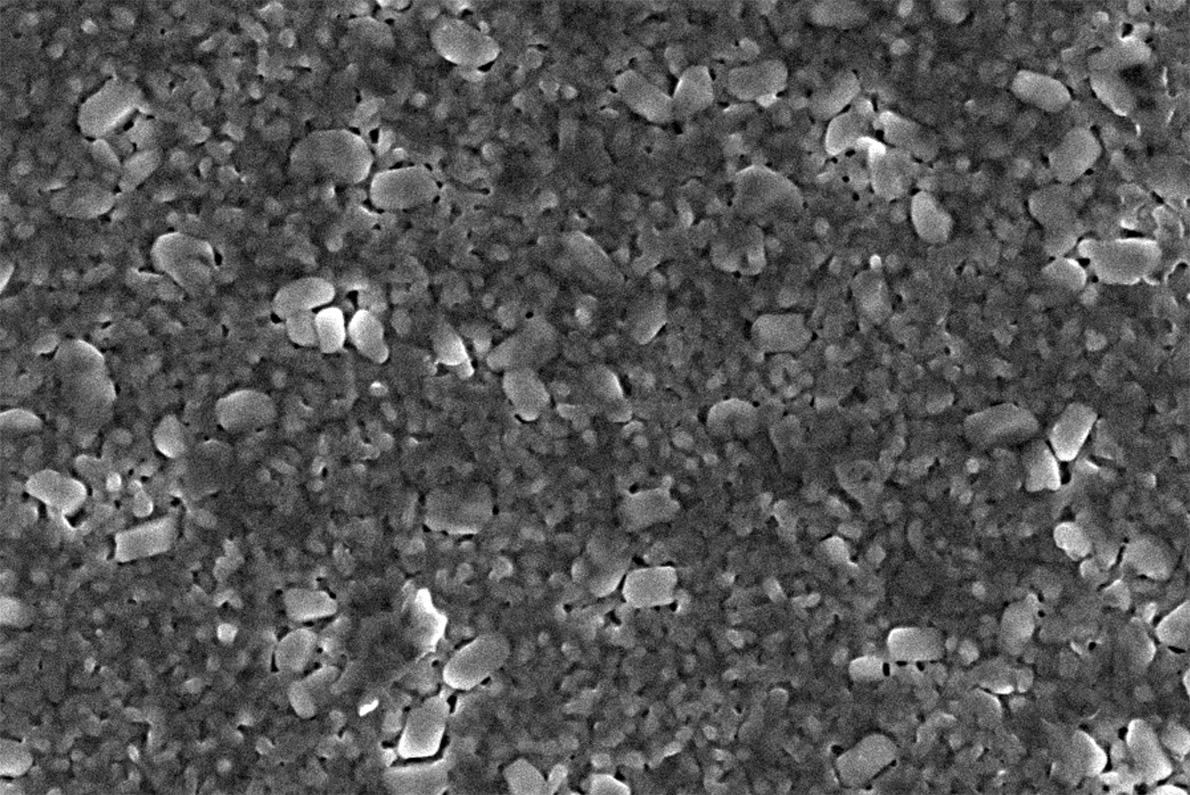
Chiral 2D metal halide perovskites show promise for spin-based optoelectronics but face performance inconsistencies due to numerous fabrication variables. Scientists at Berkeley Lab’s Molecular Foundry have created a predictive framework to systematically tune synthesis parameters such as solvent choice, annealing temperature, and film thickness, aiming to enhance the materials’ interaction with circularly polarized light. This approach addresses a long-standing challenge where reported performance values for similar materials varied widely across labs, often by over two orders of magnitude.
The study, published in Matter, details how first author Raphael Moral and co-first author Maher Alghalayini used statistical tools and machine-learning methods—supported by Berkeley Lab’s CAMERA—to identify key fabrication factors. X-ray techniques at the Advanced Light Source revealed that solvent choice, particularly acetonitrile, produced the strongest and most consistent chiroptical signals. The framework also highlighted the influence of annealing temperature and film thickness on signal strength, validated through X-ray diffraction experiments.
Carolin Sutter-Fella, the lead scientist, emphasized the importance of linking fabrication processes to material performance. The team’s data-driven roadmap provides researchers with a practical guide to reliably produce high-quality chiral perovskite films, accelerating progress toward real-world applications in LEDs or photodetectors. Moral noted the surprising variability in chiroptical properties based on processing methods, expressing optimism that the predictive model will aid further advancements in the field.
The Molecular Foundry and Advanced Light Source, both DOE Office of Science user facilities at Berkeley Lab, supported this research. The team plans to extend their findings by conducting machine-learning-driven experiments with different chiral molecules, building on their current work to refine synthesis strategies for next-generation spintronics materials.