Alerting Parents if Teens Show Signs of Distress in Conversations With Meta AI
Meta will alert supervising parents if Meta AI detects signs of suicide or self-harm in a teen’s conversations, with manual review before notifications are sent.
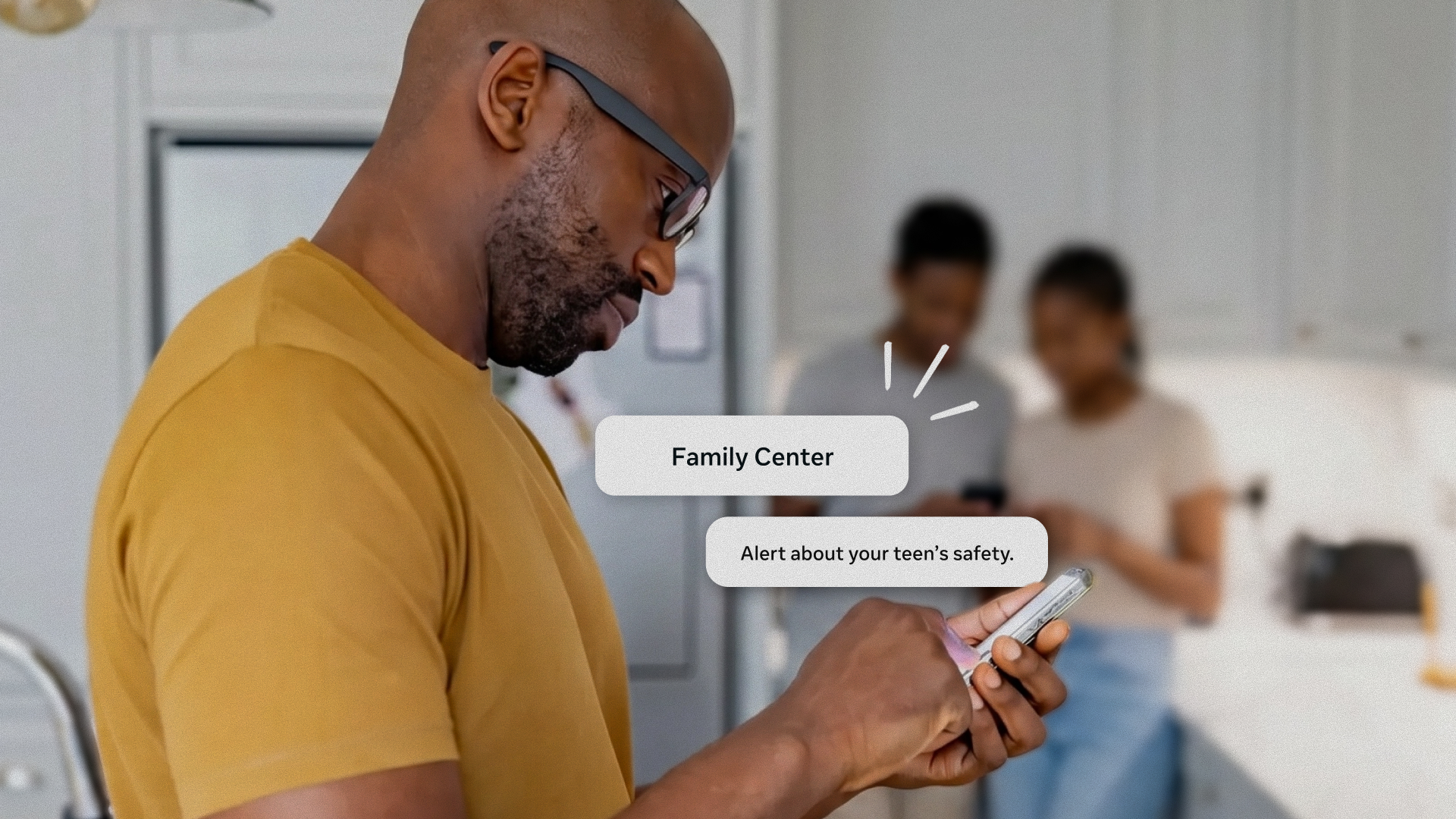
Meta announced new safeguards to inform parents when Meta AI detects potential suicide or self-harm risks in a teen’s conversations, based on signals developed with experts. The alerts will be sent to supervising parents via Instagram’s parental supervision tools in the US, UK, Australia, and Canada, with global rollout planned by year-end. Meta AI already directs teens to crisis helplines and encourages them to contact trusted adults, but now parents will also receive proactive notifications if risk is detected. All flagged chats will undergo manual review before alerts are issued to minimize false positives.
Meta will also expand its ability to contact emergency services if a conversation with Meta AI indicates imminent risk of self-harm, building on existing practices across Facebook and Instagram. Last year, Meta made over 19,000 referrals to emergency services globally after identifying credible suicide risks in posts. The company consulted over 75 mental health clinicians specializing in teen care to refine AI responses, ensuring they acknowledge teens’ emotions and provide appropriate support without abrupt conversation endings.
The alerts are part of broader efforts to balance teen privacy with safety, as Meta acknowledges the potential distress alerts may cause parents. The system is designed to err on the side of caution, notifying parents even when intent is ambiguous, while continuing to refine detection accuracy. Meta also emphasized that Teen Accounts default to a 13+ content setting, which restricts sensitive responses and limits inappropriate interactions with Meta AI.
Meta introduced a Limited Content setting in October for parents seeking stricter controls on Instagram, which now also applies to Meta AI conversations. In this setting, Meta AI declines a wider range of prompts to reduce the likelihood of inappropriate exchanges. The company’s approach follows input from its AI Wellbeing Expert Council, Suicide and Self-Harm Advisory Group, and Youth Advisors, alongside ongoing clinical reviews to improve safety for teen users.