Debunking the Biggest Data Center Myths
Meta addresses common misconceptions about data centers, clarifying water use, energy costs, and job creation in local communities.
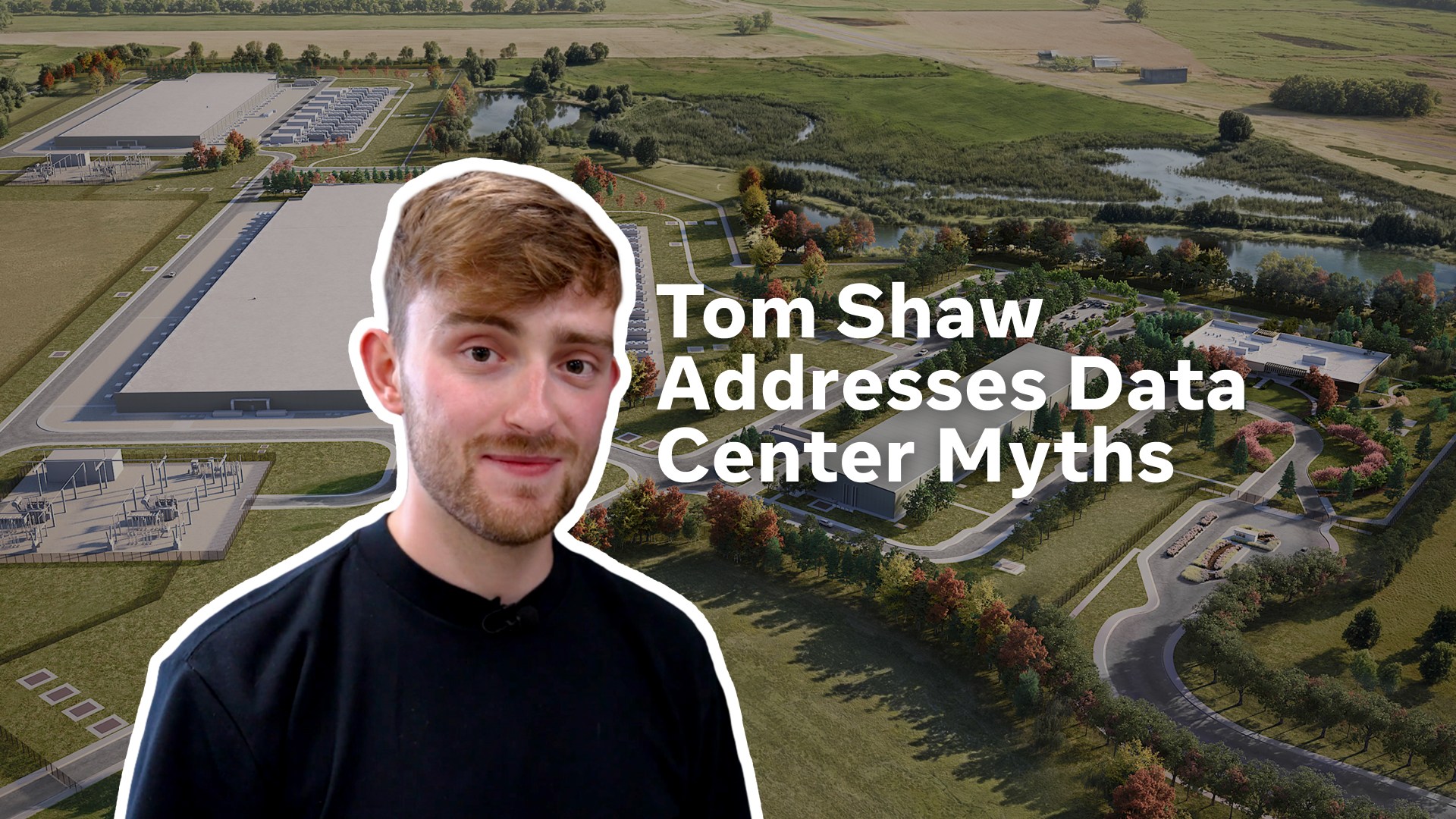
Data centers often face misconceptions about water usage, particularly in cooling systems. Meta explains that its facilities use permitted water sources, including municipal systems and on-site wells, with withdrawals regulated and accounted for in local water plans. In water-stressed areas, closed-loop cooling designs are standard, minimizing consumption. Meta notes that some of its data centers use less water annually than an average U.S. golf course, challenging the assumption that all data centers are water-intensive.
Energy use in data centers is frequently misunderstood as directly increasing local energy bills. Meta clarifies that it covers the full cost of its energy consumption and invests in new infrastructure to support demand. The company collaborates with utility providers years in advance to plan upgrades, ensuring facilities operate without overburdening existing customers. For example, Meta’s agreement with Entergy in Louisiana includes protections to prevent existing customers from bearing the cost of new generation and transmission infrastructure.
Data centers are often criticized for lacking local economic benefits, but Meta highlights their role in job creation. Construction phases employ thousands of skilled trades workers, while ongoing operations require engineers, technicians, IT professionals, and security personnel. Meta states that its data centers are among the largest local employers in many communities where they operate, providing sustained employment opportunities.
To further support local workforce development, Meta launched America’s Workforce Academy earlier this year. The free program trains individuals for careers in skilled trades, offering guaranteed job placements at Meta-partner sites upon completion. This initiative aims to address labor shortages while providing pathways to stable employment in communities hosting data centers.