Building the Moon Base: NASA Stories at the Ion
NASA outlined plans for a sustainable Moon Base at the lunar South Pole during a July 30 event, emphasizing collaboration and step-by-step development to overcome extreme environmental challenges.
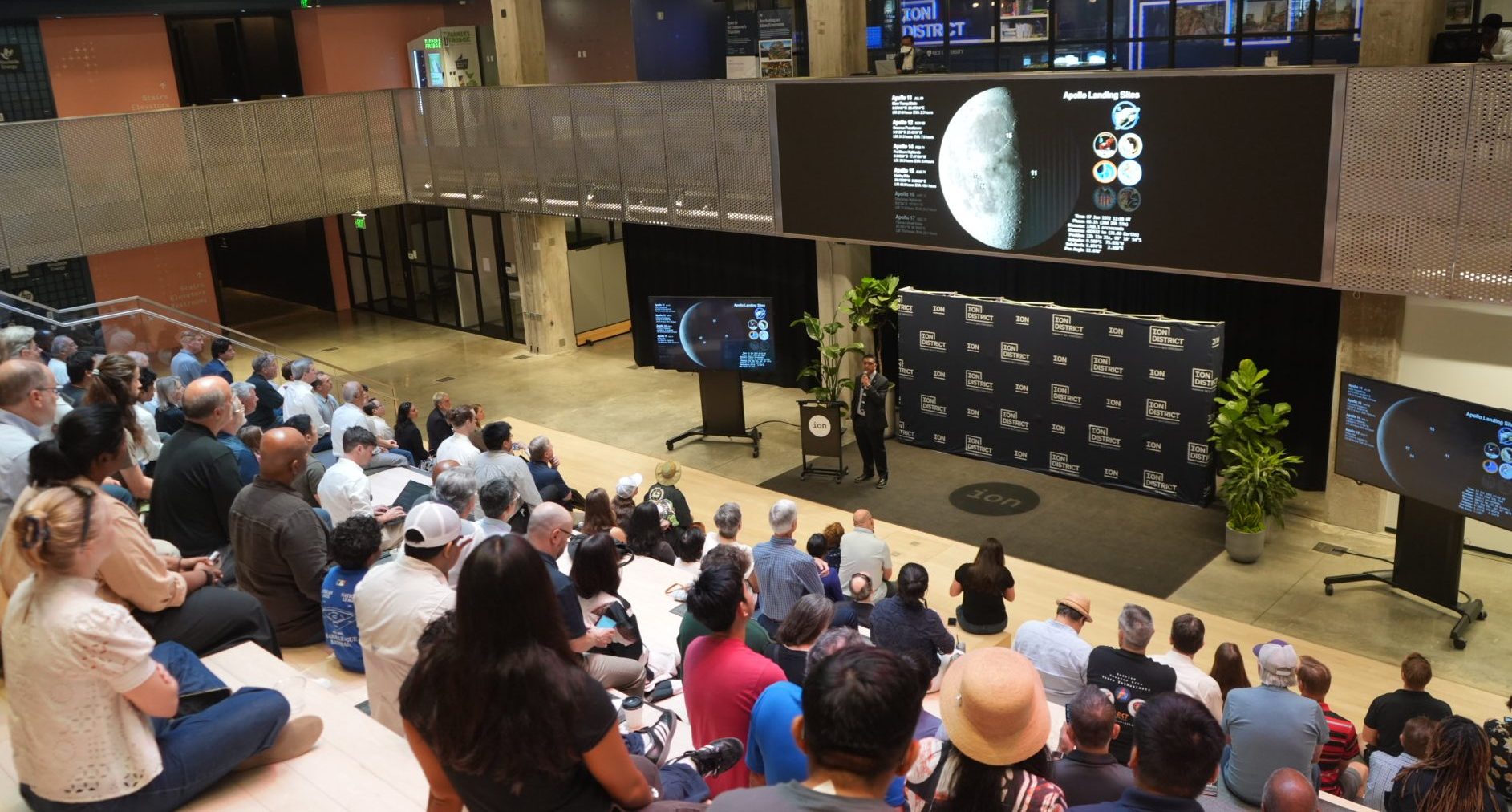
NASA’s Moon Base Program aims to establish a sustained human presence on the Moon, with a focus on the lunar South Pole. Principal systems engineer Shatel Bhakta discussed the program’s challenges and opportunities during a July 30 presentation at NASA Stories at the Ion in Houston. The initiative involves partnerships with Rice University and the Ion to engage entrepreneurs, researchers, and industry leaders in shaping future exploration. Early robotic missions will gather data, test systems, and reduce risks before expanding infrastructure and human operations.
The lunar South Pole presents unique difficulties, including steep slopes, deep craters, and low-angle sunlight that creates shifting shadows. These conditions complicate navigation, power generation, and communications, requiring new infrastructure to relay signals across the region. NASA may distribute habitats and systems across the surface due to terrain, lighting, and landing constraints. Lunar regolith, or Moon dust, poses additional risks to equipment and astronaut health, demanding mitigation strategies to ensure safe operations.
Permanently shadowed areas near the lunar South Pole may contain water ice and other volatile materials, which could support future exploration. Extracting and using these resources will require advanced mobility, power, and processing systems. The Moon Base will also serve as a testing ground for missions to Mars, helping NASA evaluate crew, equipment, and infrastructure performance away from Earth. Bhakta emphasized the need for adaptable Moon Base architecture to accommodate evolving needs and technologies.
Building the Moon Base will require expertise beyond engineering and science, including communications, business, and research professionals. NASA encourages diverse skill sets to contribute to problem-solving and public engagement. Multiple solicitations are open for industry and international collaborators to participate in early demonstrations and long-term operations, offering opportunities for innovation and partnership.