Integrating Model-Based Systems Engineering and Fault Management to Enable Autonomous Space Missions
NASA is advancing autonomous space missions by integrating fault management with model-based systems engineering to improve resilience and reduce development risks through early design integration.
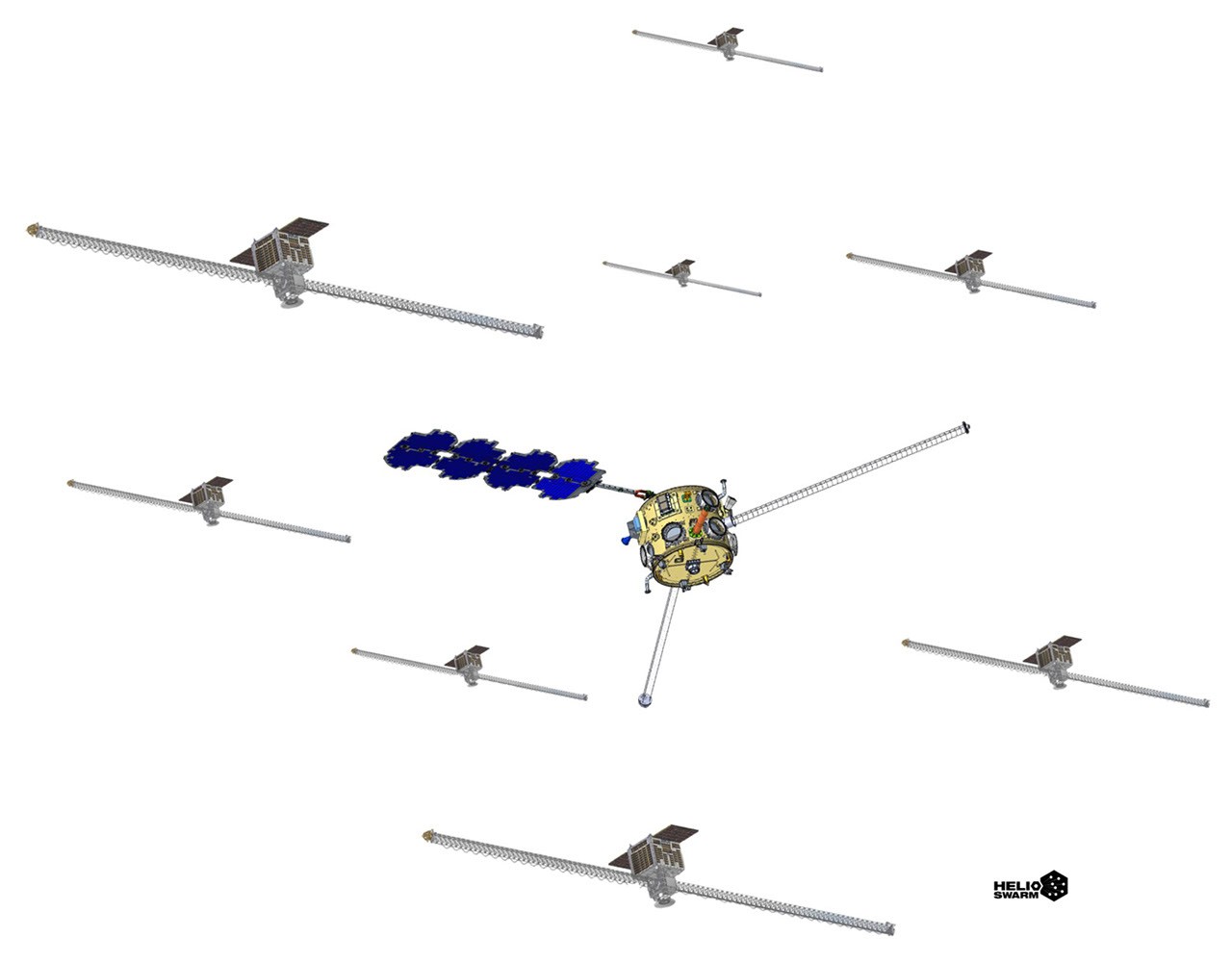
NASA has demonstrated a method to combine fault management (FM) with model-based systems engineering (MBSE) using early design data from the HelioSwarm mission. This approach enables automatic detection and mitigation of spacecraft faults without human intervention, a critical requirement for autonomous missions under NASA’s Artemis program and deep-space science initiatives. By linking FM software with MBSE tools, engineers can identify potential failures during the design phase and integrate resilient, fault-tolerant systems from the outset, rather than addressing issues after they occur.
To support this effort, NASA awarded a Phase II Small Business Innovation Research (SBIR) contract to Qualtech Systems Inc. (QSI) to enhance its TEAMS® toolset, which originated from earlier NASA-funded research. The project focused on integrating system health management (SHM) and FM with the MBSE process, particularly using Systems Modeling Language (SysML) v2. This integration allows mission designers to simulate component failures and evaluate FM architectures early, enabling trade studies and design improvements such as optimal sensor placement to prevent or mitigate faults before launch.
The enhanced TEAMS® toolset now interfaces with MBSE frameworks to generate standardized analyses like Fault Modes, Effects, and Criticality Analyses (FMECAs) and Fault Tree Analyses (FTAs) directly from SysML v2 models. For the HelioSwarm mission, the toolset translated mission requirements into FM models, producing recommendations for subsystem design improvements, including sensor placement and redundancy strategies. These capabilities aim to lower development costs, improve team coordination, and reduce risks in cost and schedule for future autonomous missions.
The technology developed under this SBIR effort has broader applications beyond NASA, including military systems such as aircraft and ships, as well as commercial space systems, civilian aviation, maritime operations, transportation, and power infrastructure. The TEAMS® toolset is already baselined for Vehicle Systems Management on NASA’s Gateway project and may support future human-rated spacecraft, offering a model for integrating fault mitigation strategies into early design phases across multiple industries.