November’s Night Sky Notes: Light-Day Away
NASA’s Voyager probes, launched in 1977, continue their interstellar journey after a planetary alignment mission, with Voyager 1 nearing a one-light-day milestone in 2026.
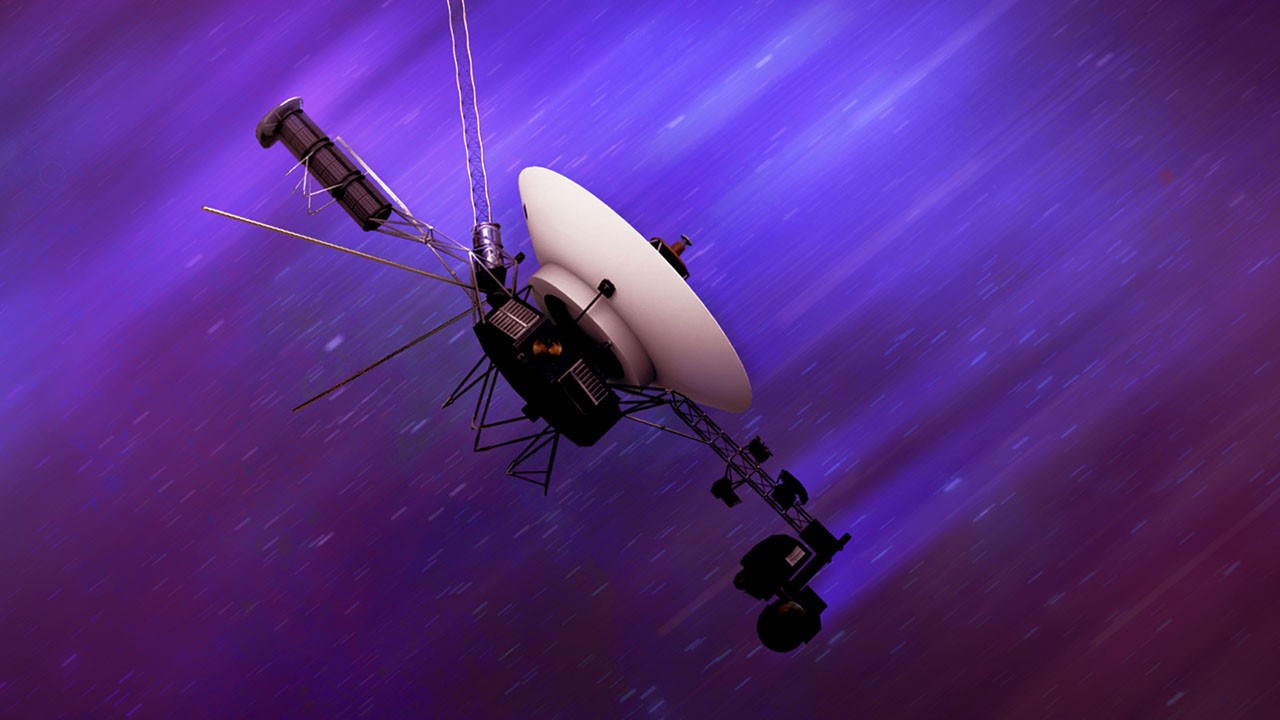
In 1977, NASA launched the twin Voyager 1 and 2 spacecraft to exploit a rare planetary alignment of Jupiter, Saturn, Uranus, and Neptune. The probes used gravity assists to study the gas and ice giants, capturing detailed images of multiple moons. Voyager 1’s final portrait included Earth as a pale blue dot, while Voyager 2 ventured onward to Uranus and Neptune. The mission provided unprecedented insights into the outer solar system’s structure and composition.
Each Voyager carries a Golden Record, a 12-inch phonograph record designed to communicate Earth’s diversity to potential extraterrestrial life. The record includes greetings in 55 languages, 27 musical tracks, 116 images, and sounds from Earth. The outer cover features etchings showing the Sun’s location relative to 14 pulsars and playback instructions, protected by copper, gold, and aluminum with uranium-238 plating for radiation resistance.
Voyager 1 and 2 crossed the heliopause in August 2012 and November 2018, marking their entry into interstellar space. NASA’s Deep Space Network maintains contact with both probes, tracking Voyager 1 at 25.80 billion kilometers from Earth. The Canberra antenna currently monitors the spacecraft’s progress as they drift farther into the galaxy.
On November 18, 2026, Voyager 1 will reach the one-light-day mark, approximately 16.1 billion miles from the Sun. This milestone highlights the vast distances involved in interstellar travel and underscores the enduring legacy of the Voyager mission, now in its 49th year.