NASA’s Integrated Medical Model (IMM)
NASA’s Integrated Medical Model (IMM) uses computational modeling to forecast health risks for Moon and Mars missions, guiding medical kit design and emergency protocols.
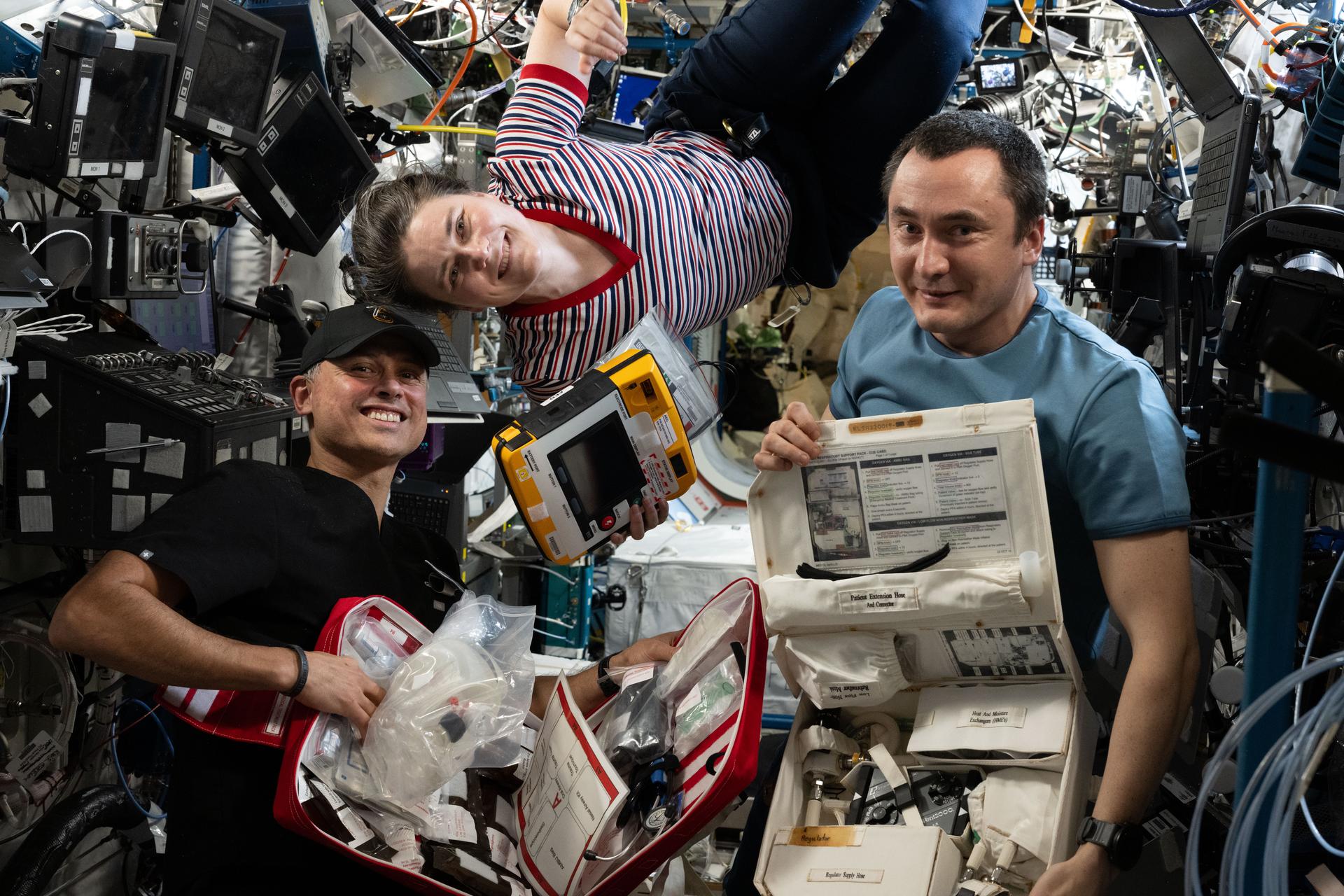
NASA’s Integrated Medical Model (IMM) is a decision-support tool designed to anticipate medical risks for astronauts on long-duration missions to the Moon and Mars. By analyzing decades of flight records and clinical research from NASA’s Integrated Medical Evidence Database (iMED), the IMM applies Monte Carlo simulations to model thousands of potential mission scenarios. Each simulation incorporates mission-specific parameters such as crew size, flight duration, spacewalks, and spacecraft environment to evaluate health risks before launch.
The IMM assesses over 100 medical conditions, including both common health concerns and spaceflight-specific hazards like radiation exposure and microgravity effects. This comprehensive risk assessment helps mission planners determine the necessary medical resources and onboard medical kit (MedCap) composition. Given the strict mass and volume constraints of spacecraft, the model provides data-driven guidance to balance medical coverage with available cargo space.
For missions to the International Space Station, emergency medical evacuations can occur within hours, but deep-space exploration introduces significant delays and eliminates rapid return options. The IMM equips flight surgeons and engineers with the data needed to design resilient, self-sufficient medical systems for long-duration journeys. This ensures astronauts have access to appropriate care even when Earth-based support is not immediately available.
NASA’s Human Spaceflight and Aviation Standards Team collaborates with subject matter experts and flight programs to refine the IMM and its applications. Technical Briefs and NASA Technical Standards provide detailed medical requirements, clinical procedures, and technical data for vehicle developers and medical professionals to ensure crew health and safety during missions.