Technology Week: Launching into the Future with Advanced Technologies
NOAA will host Technology Week (August 17–21, 2026) to showcase advanced tools used to monitor marine ecosystems, track endangered species, and improve fisheries management.
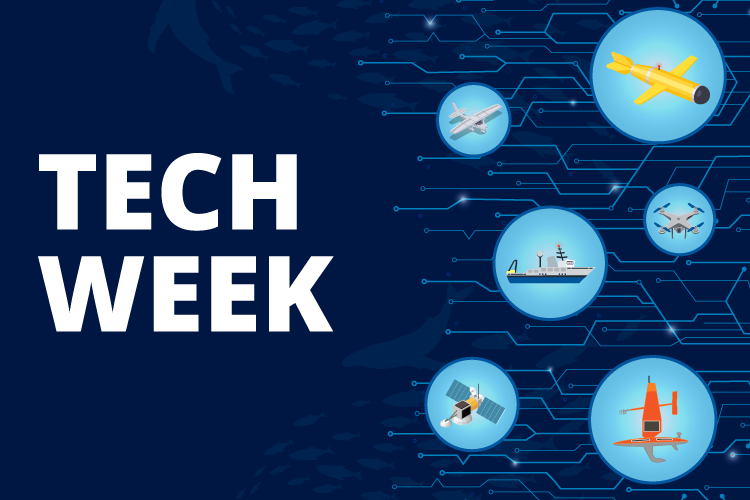
NOAA scientists will highlight technologies used to collect and analyze data for ocean resource management during Technology Week, including passive acoustic monitoring and echosounders to study marine life and habitats. Advanced tools such as uncrewed systems, drones, and satellite tags enable researchers to access remote areas and monitor species like North Atlantic right whales and Pacific cod more effectively.
Underwater cameras, remote sensing, and optics support data validation and decision-making for marine species and habitat management, while genetic analysis (omics) and environmental DNA help identify organisms and predict population shifts. NOAA’s efforts also include restoring keystone species like sunflower sea stars and solving long-standing mysteries about Atlantic bluefin tuna stock structure using innovative methods.
The agency will demonstrate how these technologies reduce risks to marine life, such as vessel collisions, and improve understanding of species health and distribution. Uncrewed submarines and smaller satellite tags are among the tools deployed to monitor marine life in challenging environments like offshore wind farms.
NOAA’s Technology Week will feature case studies, including surveys of seals across the Bering, Chukchi, and Beaufort seas, and the use of genetic tools to assess Pacific cod stocks in Alaska.