How AI Is Changing the Pace of Discovery for Millions Living With Dementia
A global consortium is using AI to accelerate Alzheimer’s research by unlocking previously inaccessible data and automating analysis, aiming to speed discovery of treatments for dementia.
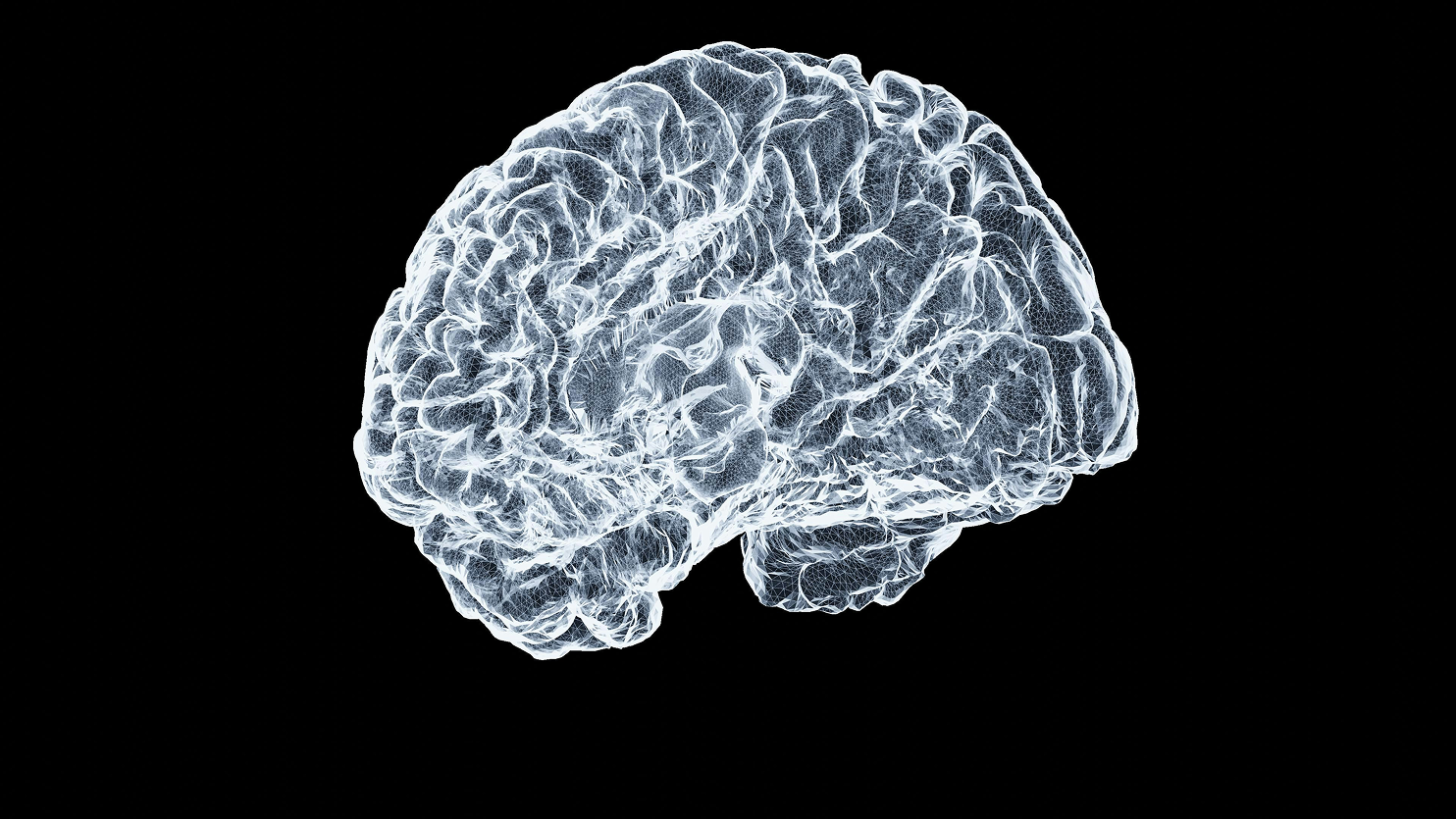
There are 57 million people worldwide living with dementia, and researchers face overwhelming data volumes, limited expert capacity and a pace of discovery that cannot match the disease’s progression. The Consortium for Biomedical Research and AI in Neurodegeneration (C-BRAIN), led by Dr. Randall Bateman and 18 institutions, launched in November 2025 to address these bottlenecks by applying AI to Alzheimer’s research. The initiative seeks to transform how science is conducted by enabling faster, more comprehensive analysis of research data that has historically been siloed or inaccessible.
C-BRAIN is building a system to harness previously untapped Alzheimer’s research data, including unpublished findings, negative results and proprietary datasets from member institutions. This includes what the consortium calls “dark data,” which remains unused in AI models due to privacy and governance constraints. To address this, C-BRAIN employs a hybrid centralized and federated approach, allowing AI models to learn from data at each institution without transferring it outside institutional walls, a technically demanding but privacy-preserving infrastructure.
The consortium currently operates 64 NVIDIA data center GPUs on premises alongside cloud-based nodes on Microsoft Azure, with additional NVIDIA GPU capacity, including Blackwell systems, planned as the project scales. C-BRAIN is integrating technologies such as the NVIDIA BioNeMo platform and the MONAI framework to optimize its research pipelines, aiming to push the boundaries of spatial omics machine learning architectures.
Researchers at C-BRAIN have already developed two open-source tools: OpenScientist, an AI co-scientist that autonomously generates hypotheses and analyses, and InsightEngine, a platform that tests hypotheses against scientific literature and biomedical knowledge graphs. In case studies, OpenScientist completed analyses in minutes that scientists estimated would take weeks to months, at a cost of under $10 per run, potentially releasing over one million research hours annually at scale.