AMD has patched its SSD-eating GPU driver bug with an optional Adrenalin update for RX 7000-series graphics cards and above
AMD has released an optional Adrenalin driver update to fix a bug causing excessive SSD writes on RX 7000-series GPUs and newer, with unclear impact on older models.
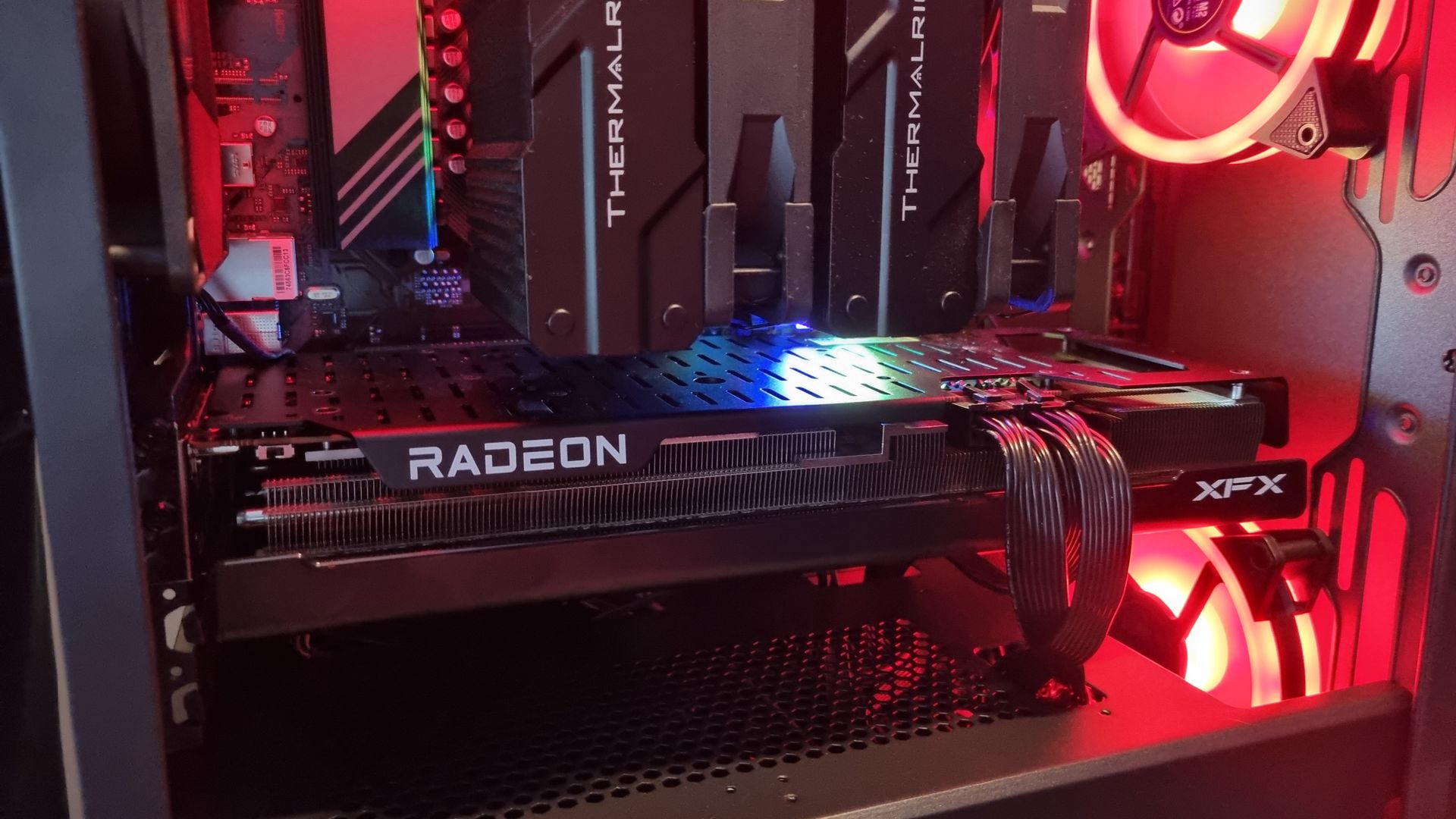
AMD has addressed a reported bug in its GPU driver suite that was causing excessive erroneous storage writes, particularly affecting SSD health. The issue led some users to observe a monthly decline in SSD health by up to 1%. AMD Adrenalin Edition 26.11.1 is now available as an optional update, requiring manual download and installation. The update specifically targets 'excessive writes to the system drive' at idle for Radeon RX 7000-series graphics cards and above.
While AMD’s release notes suggest the bug may not impact older GPUs, user reports have included RX 6000-series cards, leaving uncertainty about a potential fix for earlier models. The company typically releases interim fixes between official driver updates, and this update may still require further refinements before integration into the next full release. AMD has also listed several known issues, including crashes and driver timeouts in specific games.
Among the noted issues, visual corruption in character hair has been reported in *Phantom Blade Zero* when played on Radeon RX 9000 series graphics cards. The company states this issue is isolated to that title and does not appear in other games. The update includes fewer known issues compared to the previous driver release, with the exception of the *Phantom Blade Zero* bug.
The practical impact of the update is significant for users experiencing SSD degradation due to the bug, as it aims to reduce unnecessary wear and tear on storage devices. AMD’s approach of releasing the fix as optional may delay widespread adoption, despite the severity of reported cases. Users concerned about SSD health may prioritize downloading the update to mitigate potential damage.