How to get unlocked Multi Frame Gen working on an RTX 40-series graphics card
A workaround enables RTX 40-series cards to run Multi Frame Generation at higher rates than officially supported, though Nvidia warns of potential issues and unsupported status.
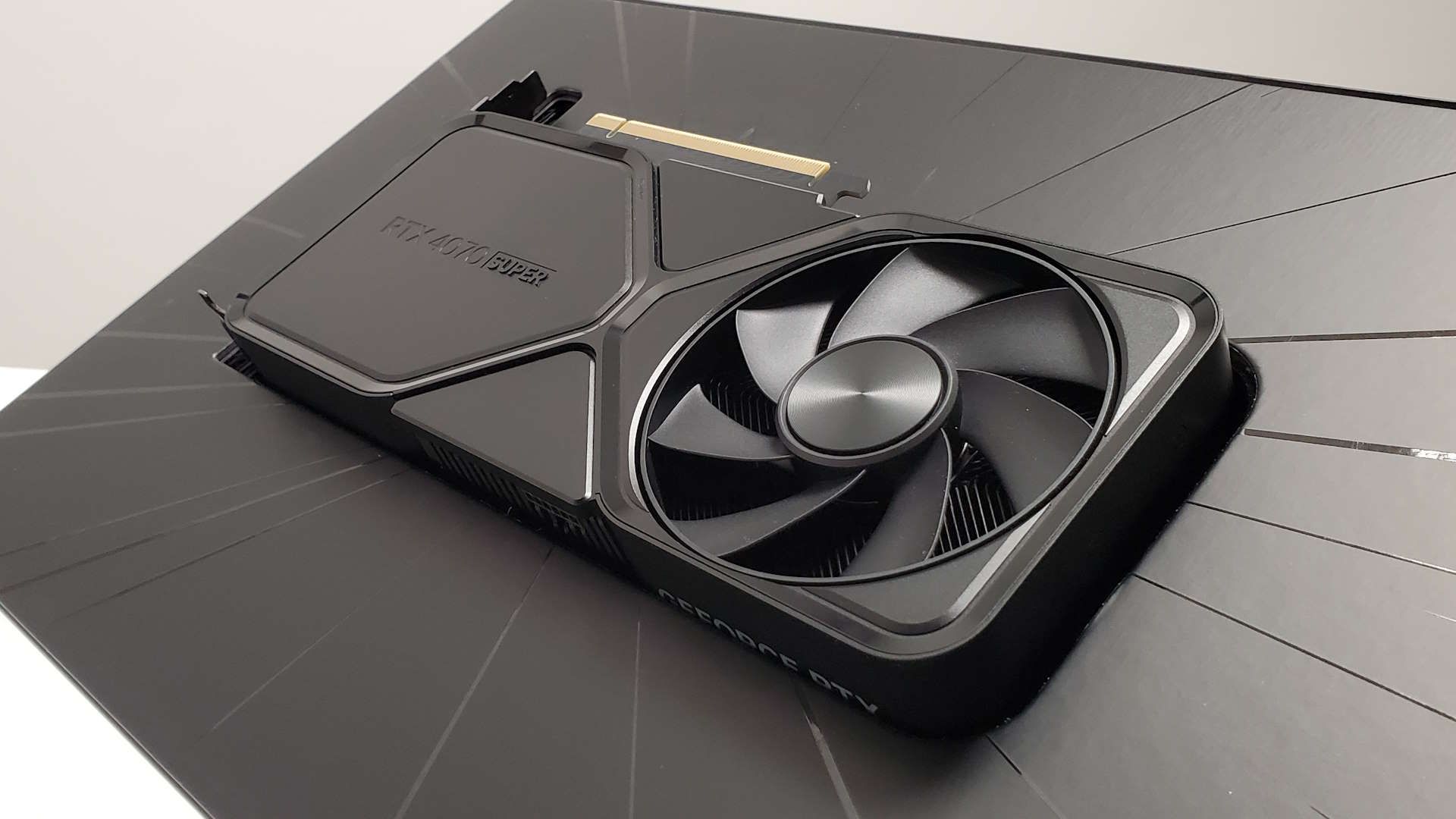
Multi Frame Generation (MFG) is an AI-powered frame-boosting feature introduced by Nvidia in 2022, initially limited to RTX 40-series cards with a 2x frame generation cap. The newer Multi Frame Generation variant, restricted to RTX 50-series hardware, can produce up to five frames per rendered frame, offering smoother gameplay. However, a community-driven method now allows RTX 40-series owners to unlock higher MFG rates through software modifications, bypassing Nvidia’s official restrictions.
The technique involves using the ReShade HDR Installer (RHI) to apply unofficial mods like 'RTX 40 MFG' and 'OptiScaler,' which override Nvidia’s hardware limitations. Users must select supported games from Nvidia’s DLSS MFG compatibility list and configure the mods via RHI’s interface, including enabling 'Dynamic' frame generation and selecting 'Up to 4x' frame count. The process is unsupported and may require driver version adjustments for stability.
Nvidia has indicated that enabling MFG on older architectures requires significant engineering effort, as RTX 50-series cards include dedicated AI Management Processor (AMP) and Flip Metering hardware to handle frame delivery smoothly. The company’s CEO, Jensen Huang, has acknowledged the feasibility of bringing newer AI tech to prior-generation GPUs but emphasized the technical challenges involved.
While the workaround can deliver higher frame rates, enabling higher MFG levels may introduce visual artifacts like smearing or latency issues, even with frame rate limiters active. Testing by PC Gamer found that latency remained a concern, potentially undermining the perceived smoothness despite increased frame counts. Users are advised to proceed cautiously and prioritize single-player titles to avoid anti-cheat complications.