Does Blizzard's revival of its classic games signal a return of the 'old Blizzard?'
Blizzard’s BlizzCon 2026 announcements revived classic franchises but sparked mixed reactions, with Heroes of the Storm’s revival standing out as a symbolic gesture rather than a commercial priority.
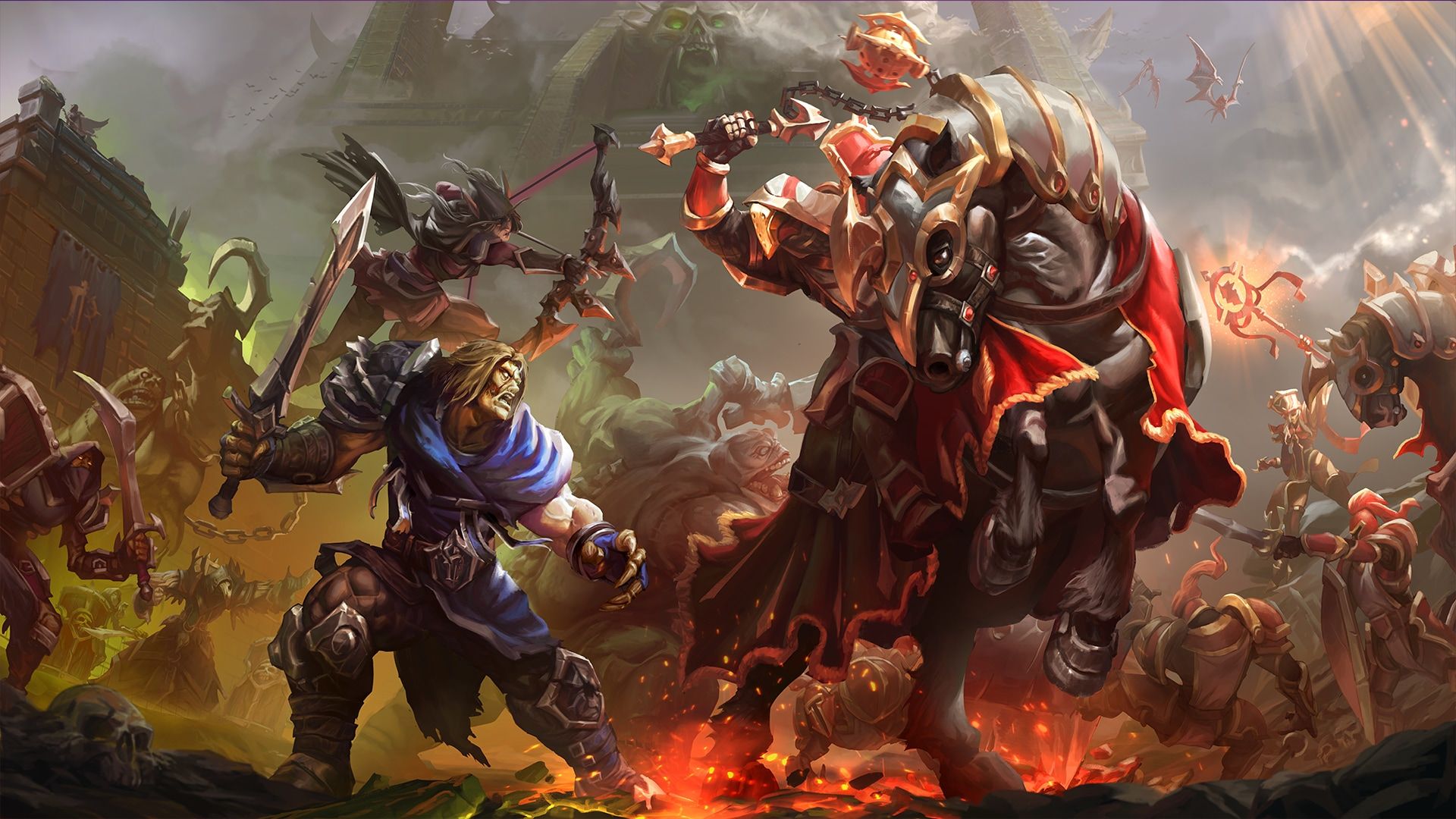
Blizzard’s BlizzCon 2026 presentations included updates for World of Warcraft: Forever, Diablo 5, and a new StarCraft open-world shooter, reviving nostalgia for the company’s past ambitions. The event’s opening reveal focused on Heroes of the Storm, announcing a new hero, Xal’atath, after six years of minimal updates, signaling a deliberate but low-key attempt to reconnect with fans. The move contrasts with the game’s 2022 maintenance status and reflects Blizzard’s effort to address lingering perceptions of abandoning older titles prematurely.
WarCraft III: Reforged, criticized at its 2020 launch for technical shortcomings, received a new $30 DLC campaign, Forsaken Kingdom, during BlizzCon, offering a full-length narrative experience to long-time fans. While some players objected to the pricing and unresolved launch issues, the expansion was broadly welcomed as a meaningful addition to a 24-year-old classic. The reception underscores Blizzard’s uneven approach to legacy content, balancing fan service with commercial constraints.
Diablo 3 was placed into unofficial maintenance mode ahead of Diablo 4’s 2023 release, with no new content planned despite its continued player base. Recent updates for Diablo 1: Resurrected, Diablo: Immortal, and Diablo 4 highlight Blizzard’s prioritization of newer titles, leaving Diablo 3’s community without fresh updates. The disparity raises questions about Blizzard’s willingness to sustain older games when resources are directed toward flagship releases.
Blizzard’s cautious revival of older games, such as Heroes of the Storm and WarCraft III: Reforged, suggests limited opportunities to rebuild goodwill rather than a full return to past practices. Developers with deep franchise ties appear to be driving these decisions, which may not align with profit-driven priorities. While the company’s legacy reputation remains a factor, the changes reflect incremental steps rather than a transformative shift in strategy.