The Steam Deck 2 has 'not really' been impacted by the memory supply crisis, with Valve still focused on a 'very delineated performance improvement' for its nex
Valve reports the Steam Deck 2 remains on track despite memory shortages, with plans for a clear performance upgrade rather than a rushed release.
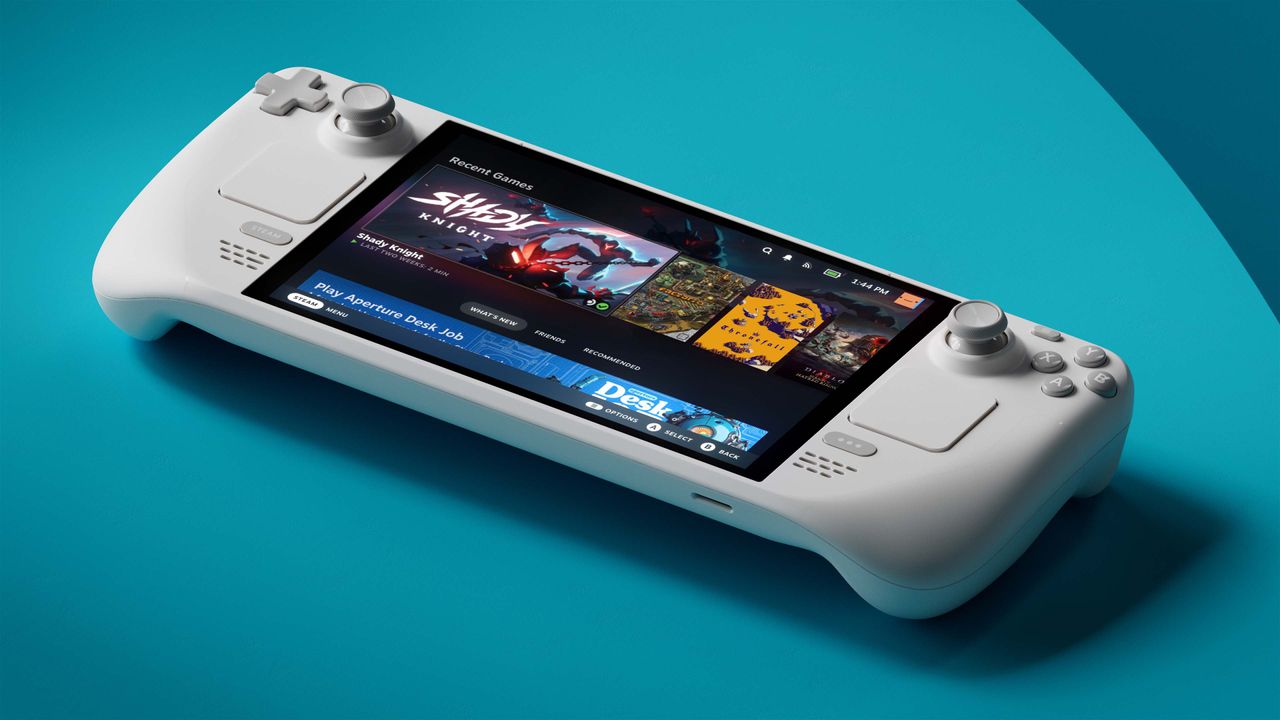
Valve engineer Pierre-Loup Griffais told IGN that the ongoing memory supply crisis has "not really" impacted development of the Steam Deck 2. He emphasized Valve’s focus on delivering a "very delineated performance improvement" for the successor, aligning with earlier goals set in 2023. The company continues to prioritize a measured approach, avoiding overpriced releases despite rising costs for the original Steam Deck’s 1TB model. Valve’s strategy remains consistent: wait for a generational leap in performance before launching a follow-up product.
Griffais noted that current market conditions are being assessed to determine the timing of the Steam Deck 2’s release. The company’s goals for the user experience and product specifications have not shifted significantly from its original plans. Valve’s cautious stance contrasts with the pricing pressures seen in other hardware like the Steam Machine and Steam Frame. The handheld’s development timeline appears flexible, with no immediate rush to launch.
Concerns about the Steam Deck 2’s cancellation are more relevant than for Valve’s other announced hardware, as it has not been finalized for release. The memory supply crisis has likely delayed the handheld’s launch further, though Valve has not provided a specific timeline. The company acknowledges the prolonged nature of the supply shortage, which may extend well beyond 2027. Valve’s measured approach suggests the Deck 2 will not be rushed to market under current conditions.
Predictions about the memory supply crisis vary, with some industry leaders suggesting improvement by late 2027 or early 2028 due to increased Chinese capacity. Others, including SK hynix’s CEO and Phison’s CEO, warn demand could outstrip supply until 2030. Valve’s understated response reflects the uncertainty surrounding the crisis and its impact on the Steam Deck 2’s release.