Thief designer Randy Smith Evergreen refused to work for Xbox because it would be like 'walking past some stakes with human skulls on them' and pretending 'it's
Randy Smith Evergreen, a Thief designer, rejected Xbox funding due to Microsoft’s studio instability, opting instead to launch an indie immersive sim with a smaller budget and creative freedom.
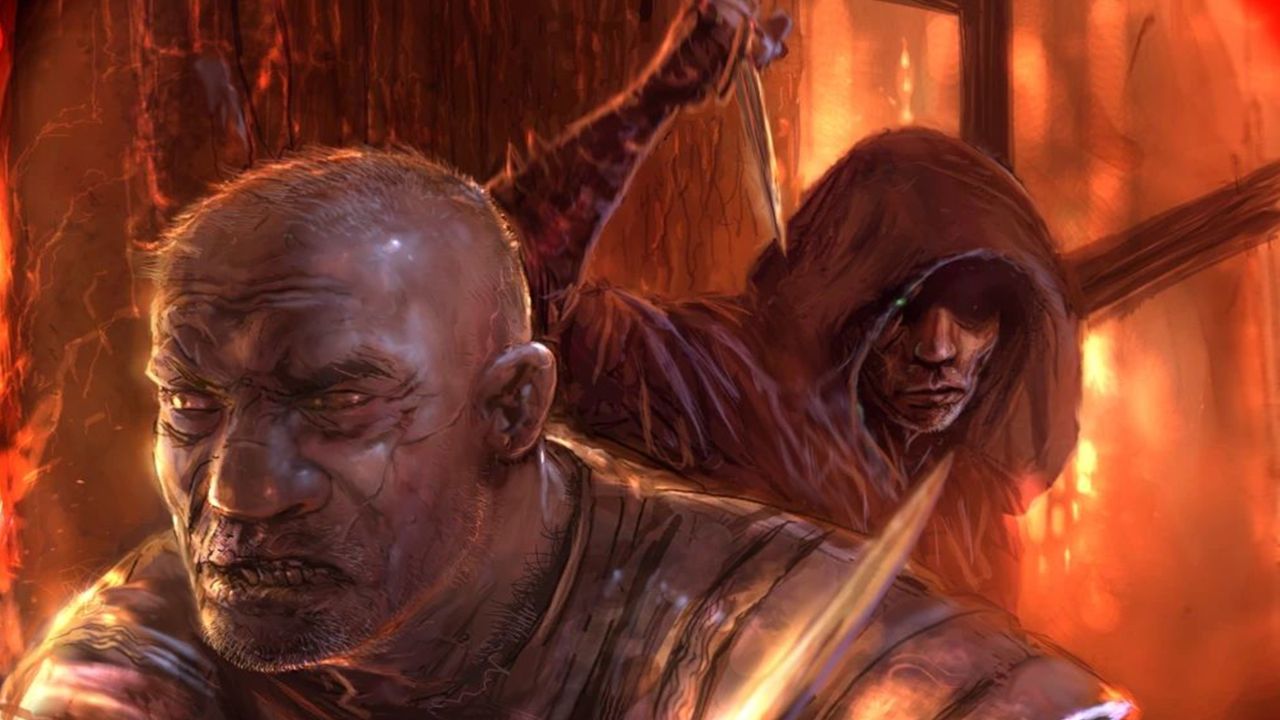
Randy Smith Evergreen, known for his work on the Thief series, initially struggled to secure funding for a nonviolent RPG inspired by his 1990s immersive sim roots. Publishers praised his Thief background but preferred sequels, leaving the project in limbo. Microsoft’s offer arrived during a critical funding shortage, prompting Smith Evergreen to reconsider despite reservations about Xbox’s studio track record.
Smith Evergreen’s hesitation stemmed from Microsoft’s history of dissolving studios shortly after acquisition, exemplified by the closure of Arkane Austin, the studio behind Dishonored and Prey. He likened accepting a role at a Microsoft-backed studio to walking past human skulls on stakes, a metaphor for the risks involved. Ultimately, he declined the opportunity, prioritizing stability and creative control.
After rejecting Xbox’s offer, Smith Evergreen founded an indie studio to develop an unannounced game derived from his original RPG pitch. The project evolved under funding constraints, reducing scope while preserving core mechanics. The team navigated financial hurdles to secure support, refining the concept into a commercially viable yet creatively intact vision.
Smith Evergreen argues that the immersive sim genre no longer requires AAA budgets, citing Thief’s original $3 million development cost as a feasible modern benchmark. He suggests smaller, passion-driven teams can achieve comparable quality with $3–$10 million budgets, emphasizing that excessive fidelity does not necessarily enhance player experience or sales.