Thief designer thinks the graphics arms race should have ended with 2010's Alan Wake: 'The fidelity curve has become outrageous'
Thief designer Randy Smith Evergreen argues the graphics arms race should have ended with Alan Wake in 2010, citing diminishing returns and excessive costs.
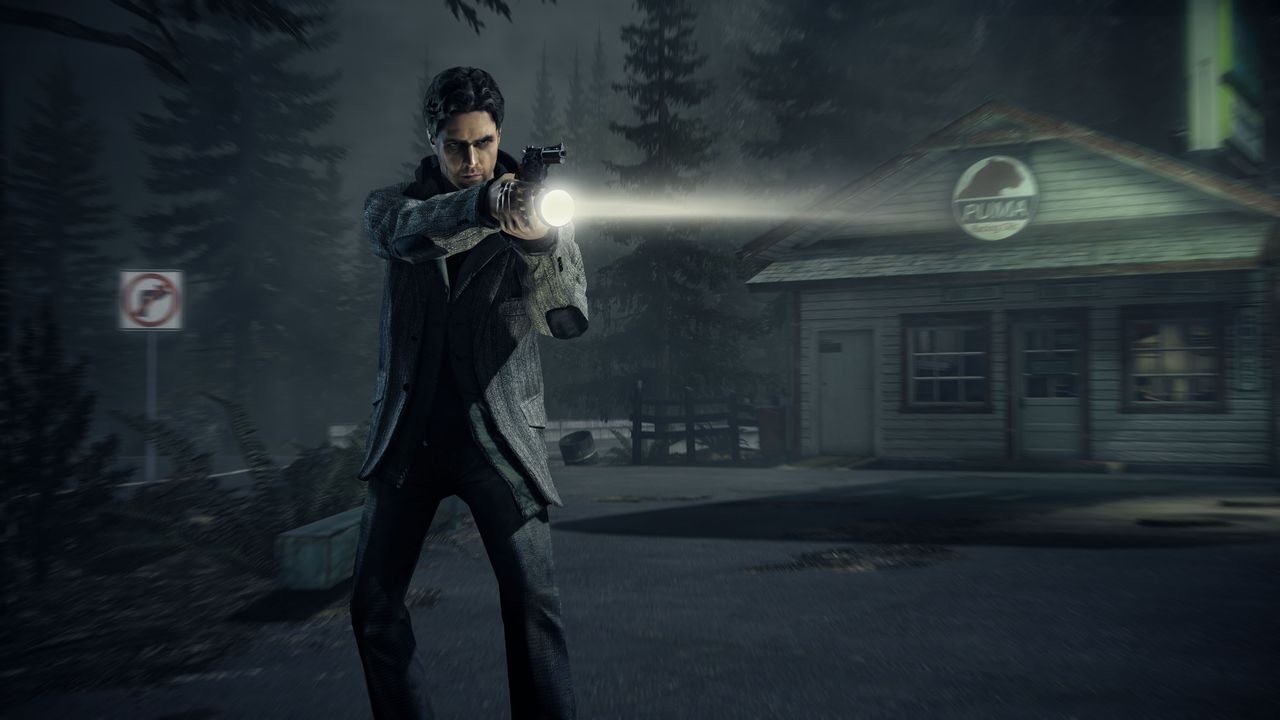
Randy Smith Evergreen, designer of Thief and System Shock 2, argues the graphics arms race in gaming has become excessive, suggesting it should have concluded with Remedy's 2010 release Alan Wake. He describes the current fidelity curve as "outrageous," noting that while Alan Wake achieved photorealism, modern games now pursue lighting and reflections that surpass real-world accuracy, often requiring DLSS to run. Smith Evergreen questions the practical value of these advancements, emphasizing that they serve no functional purpose beyond visual spectacle.
He asserts that Alan Wake represents the ideal balance of fidelity, where visuals effectively convey atmosphere and gameplay without unnecessary complexity. Smith Evergreen suggests that immersive sims do not need AAA-level graphics to succeed, arguing that the audience size does not justify the escalating development costs required to match blockbuster titles like Ghost of Tsushima or GTA 6.
The designer expresses enthusiasm for Nightdive's upcoming Thief: The Dark Project Remaster, which he expects to retain the original game's aesthetic rather than modernizing it excessively. He describes Nightdive as a trustworthy studio and praises their selection of remaster projects, highlighting his personal excitement to revisit Thief through the remastered version.
Smith Evergreen also mentions he is currently working on an unannounced project, expected to be revealed soon, while noting that a release date for Thief: The Dark Project Remastered has yet to be announced.