Valve had next-gen VR 'headsets ready three, four years ago and they were big, bulky devices' but went back to the drawing board after actually putting them on
Valve’s new Steam Frame VR headset marks a shift from bulky prototypes to a lightweight, wireless design, leveraging years of software and hardware refinement.
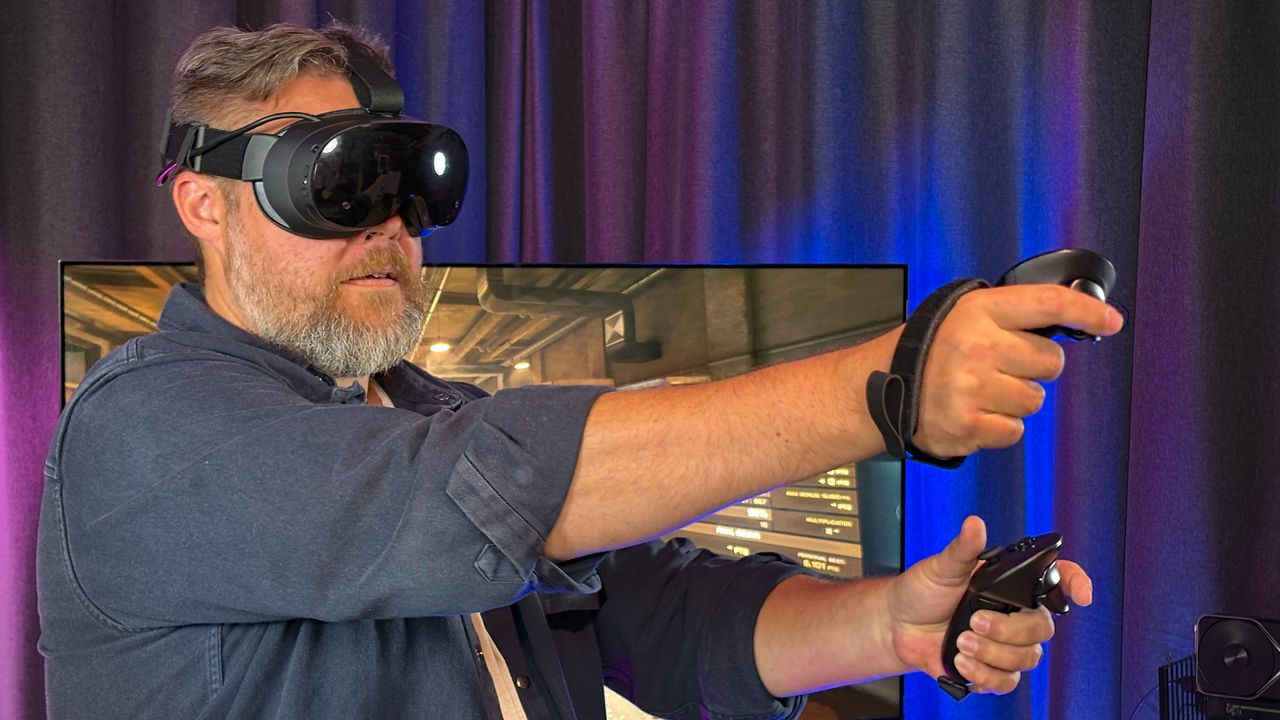
Valve engineers Jeremy Selan and Joy Lyons revealed the company had shelved earlier VR headset designs three to four years ago because they were too large and heavy, resembling the Valve Index. After testing, they concluded those prototypes did not meet their vision for the next generation. Selan emphasized that Valve’s policy for new products is to release them "as soon as we can," but only when they meet internal standards for quality and innovation.
The team returned to the drawing board repeatedly to balance power, battery life, cooling, and weight, aiming for a small, comfortable form factor. Supply chain challenges and component shortages delayed the release, pushing it from early 2026 to its current timing. Selan noted that the headset represents the fastest Valve could ship a device they were proud of.
Valve’s prior work on software, including Proton for running Windows games on Linux and SteamOS, played a critical role in the Steam Frame’s development. Engineers leveraged ARM-based hardware to run x86 PC games via FEX and Android games through Lepton, expanding the device’s software compatibility. This integration of hardware and software advances made the headset viable as both a PC VR and standalone device.
The Steam Frame’s ability to wirelessly stream PC VR games seamlessly and run Android VR content positions it as a versatile portable device. Valve’s internal testing revealed unexpected enjoyment of the platform, with engineers discovering and playing 89 games in two weeks. Selan described a personal shift to preferring the Steam Frame over other devices, signaling confidence in its market readiness.