Sharing First Light Images From Tanager-2 and SuperDove Flock 4J
Planet Labs released first light images from Tanager-2 and SuperDove Flock 4J, demonstrating satellite health and rapid commissioning after October 1 launches.
Planet Labs announced the first light imagery from Tanager-2 and SuperDove Flock 4J, confirming the satellites are operational shortly after their October 1 launch. Tanager-2, developed with Carbon Mapper, captured its first image over Spain’s Pink Lake on October 7, just six days post-launch. The hyperspectral satellite’s data also enabled Carbon Mapper to detect a large methane plume off Spain’s coast the same day, showcasing its dual-use capability for environmental monitoring.
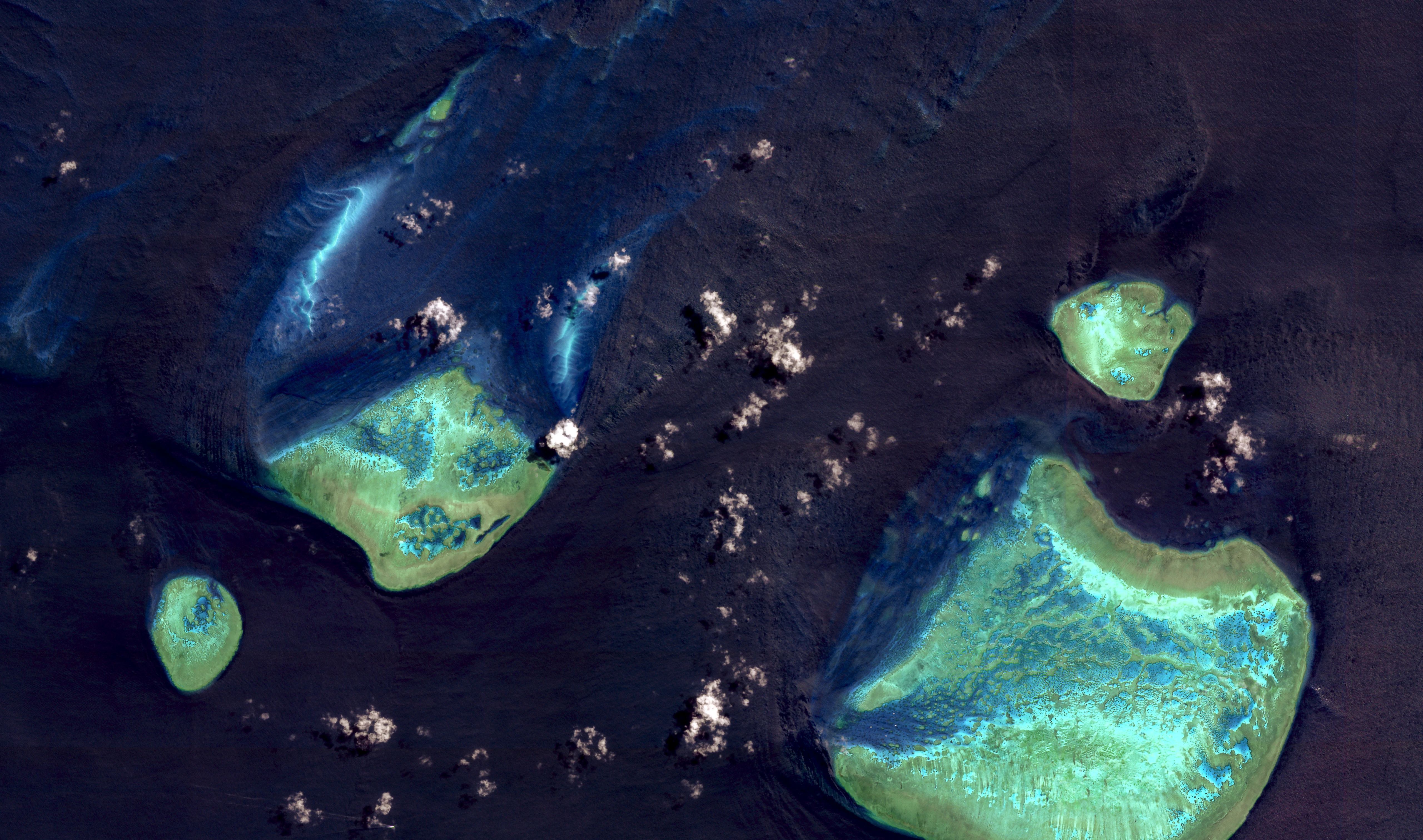
A SuperDove from Flock 4J recorded imagery of Australia’s Great Barrier Reef on October 6, marking the first light for the new flock. The satellite’s wide-area imaging supports PlanetScope’s daily monitoring mission, contributing to global environmental assessments. Both satellites are progressing through commissioning, with Tanager-2 designed to enhance hyperspectral applications such as methane detection and biodiversity tracking.
James Mason, Planet’s Chief Space Officer, highlighted the significance of Tanager-2’s rapid first light as a step toward expanding the Tanager constellation. The new satellites will roughly double Planet’s hyperspectral monitoring capacity, enabling advanced applications like mineral prospecting and forest health analysis. Tanager-2 also introduces glint tasking for improved offshore methane detection, addressing gaps in cloudy ecosystems like the Amazon.
Planet plans to deploy at least three more Tanager satellites, with data from Tanager-2 to be integrated into Amazon.ia, a digital public good initiative for Amazon conservation. Carbon Mapper will use Tanager-2’s data to publish methane and CO2 observations publicly. The company’s agile aerospace approach, including a new Berlin manufacturing facility, aims to accelerate production and launch cadence for future missions.