Strong Environmental Policy Requires Persistent Satellite Monitoring
Governments are adopting stricter environmental policies but face operational challenges in monitoring compliance. Planet Labs proposes persistent satellite monitoring with near-daily data and AI analytics to detect policy infringements and environmental changes faster.
The useful question is what changes for users, developers or buyers, and whether the announcement stays industry context or becomes something people can actually use.
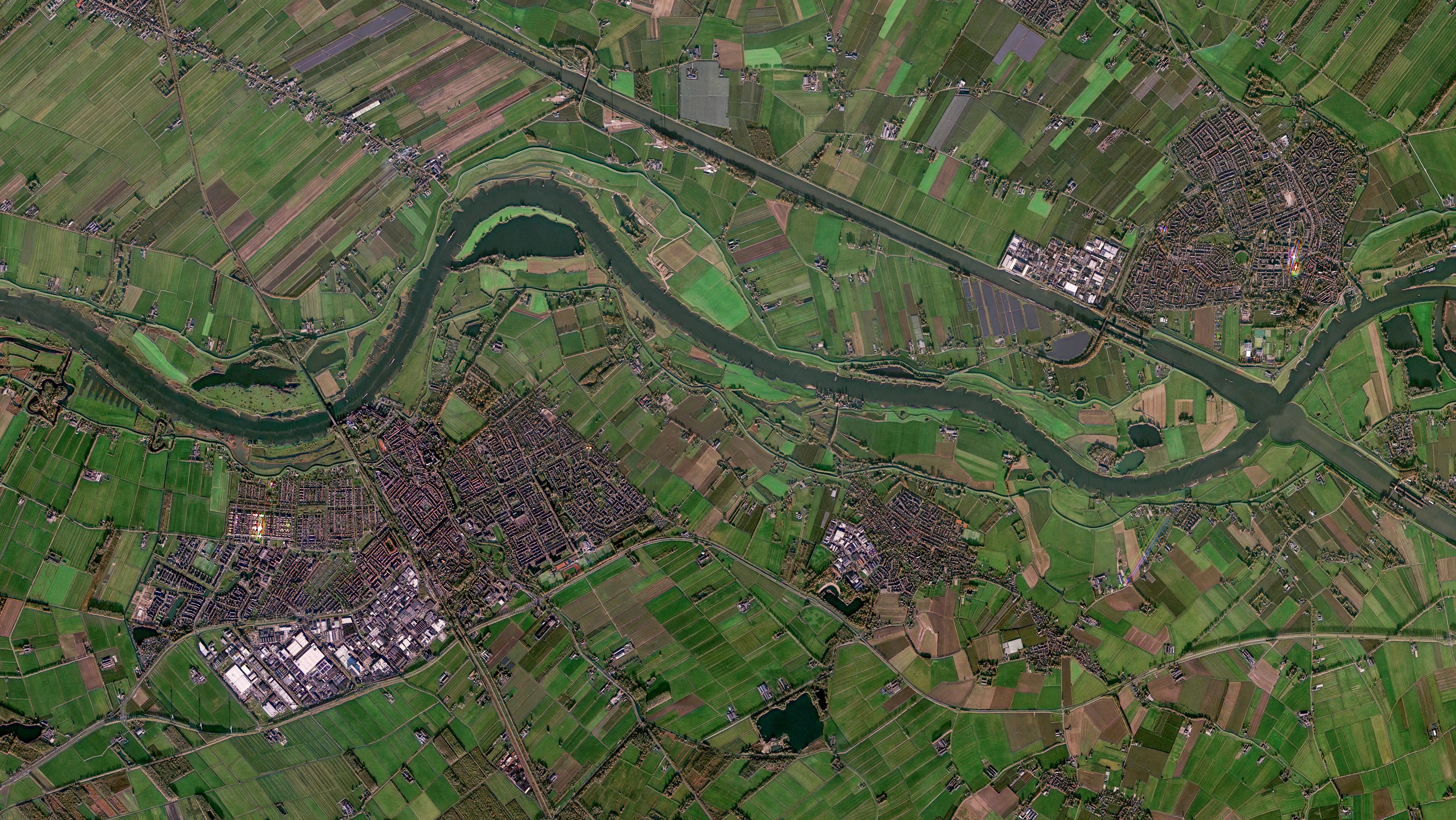
Governments worldwide are implementing stricter environmental policies to protect wetlands, restore habitats, and improve water quality, but enforcement remains difficult. Agencies struggle to monitor large areas consistently with limited resources, often relying on outdated systems that cannot keep pace with rapid environmental changes. Near-daily satellite data and AI-powered analytics offer a solution to detect policy violations, prioritize inspections, and identify emerging risks before damage escalates. This approach aligns with new regulations like the EU Nature Restoration Regulation, which requires evidence of restoration progress and ecosystem recovery.
Environmental compliance monitoring has traditionally depended on field inspections, surveys, and public data, but these methods are increasingly insufficient. Field teams cannot cover vast areas continuously, and public data often arrives too slowly to inform timely decisions. For example, research using Planet high-resolution imagery found that small ponds and lakes can fluctuate in size by 20-40% within a single season, changes that periodic monitoring may miss. Late detection of degradation leads to higher costs, irreversible ecological damage, and reputational risks for regulators and businesses.
Satellite data is becoming the foundation for more rigorous environmental monitoring, but operational use requires higher spectral detail, frequent revisits, and analysis-ready formats. Planet combines near-daily satellite observations with AI-driven analytics to automate change detection, identifying vegetation loss, altered water levels, new development, or land disturbances across large areas. This enables agencies to prioritize field inspections and act sooner when environmental obligations are not met. The approach supplements, rather than replaces, traditional methods like field surveys and public data.
The state of Tennessee is using PlanetScope® data, in collaboration with Skytec, to enhance wetland monitoring. Skytec’s Ranger® platform integrates Planet’s high-frequency imagery with AI analytics to detect changes such as altered water levels or vegetation loss in ecologically important wetlands. This tool helps regulators identify sites requiring further investigation and take action before environmental damage worsens. Governments setting ambitious policies must also ensure their monitoring systems can detect change quickly enough to enforce compliance effectively.