27 Years Ago, 'Buffy the Vampire' Unleashed an Impossibly Good Season, and Broke the Fandom
Twenty-seven years ago, *Buffy the Vampire Slayer* delivered its strongest season yet with Season 3, introducing Faith Lehane and Mayor Wilkins as standout antagonists that deepened the show’s narrative complexity.
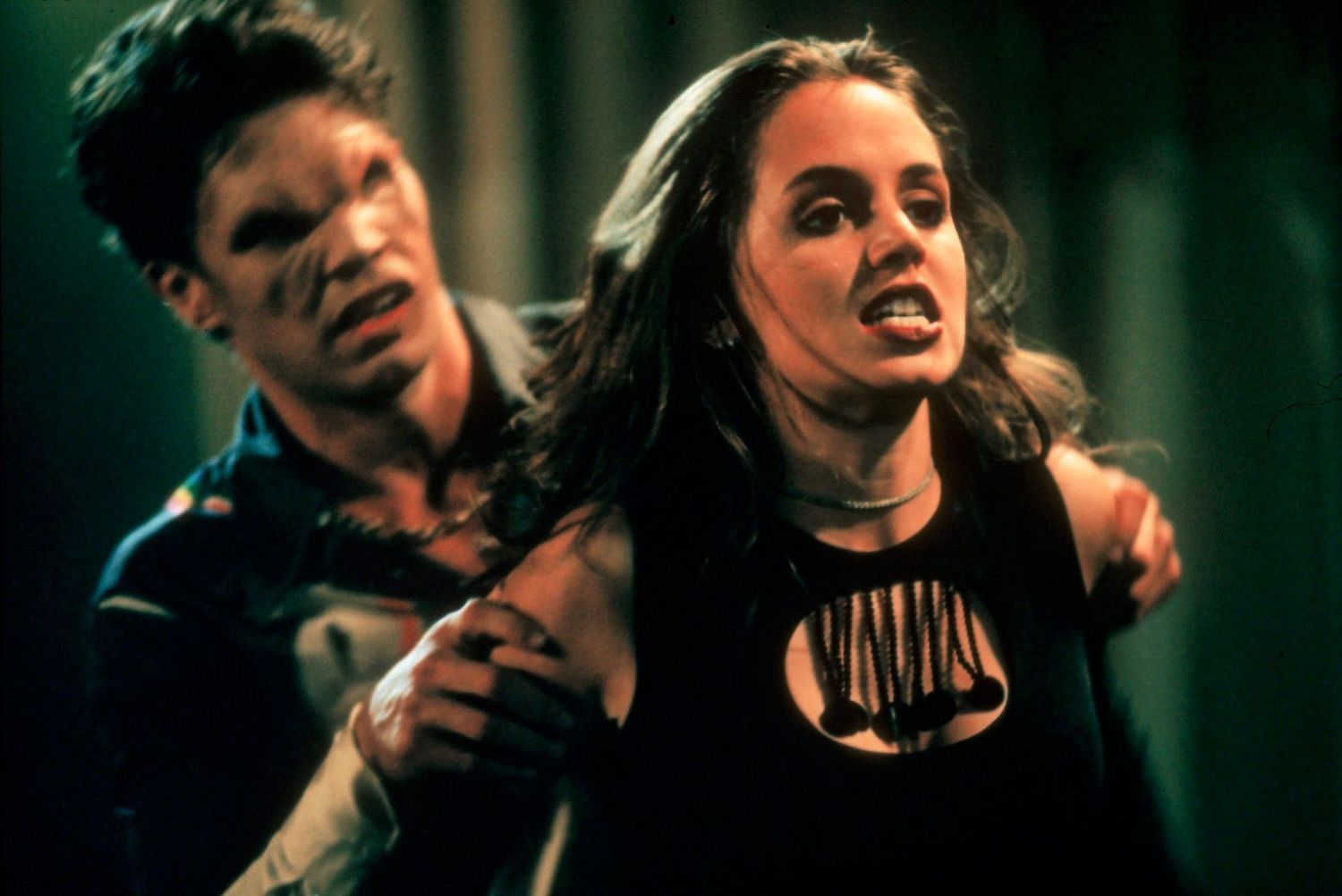
Most television series require time to find their rhythm, and *Buffy the Vampire Slayer* was no different. The show’s first season struggled to establish its tone, while Season 2 gained momentum with the introduction of Spike, Drusilla, and Angelus, who elevated the stakes. Season 3, however, surpassed expectations by refining the show’s balance of horror, drama, and dark humor, cementing its reputation as a genre-defining series.
*Buffy the Vampire Slayer* Season 3 introduced two pivotal antagonists whose contrasting approaches to villainy shaped the season’s narrative. Faith Lehane, a volatile and morally ambiguous Slayer, clashed with the disciplined Buffy Summers, while Mayor Richard Wilkins concealed his centuries-long demonic pact behind a veneer of civic charm. Their collision forced the Scooby Gang to confront threats that tested their unity and resolve.
Faith’s descent into villainy culminated in a storyline where she attempted to corrupt Angel to undermine Buffy, a plot that resonated so strongly with fans that actress Eliza Dushku faced real-world harassment. The arc’s intensity, including threats and confrontations on public streets, underscored the show’s ability to blur the line between fiction and fandom obsession, leaving a lasting impact on its audience.
The season’s legacy endures through its layered storytelling and the performances of its cast. Harry Groener’s portrayal of Wilkins, a seemingly benign politician hiding monstrous ambitions, and Dushku’s Faith, a Slayer whose choices defied expectations, remain defining elements of *Buffy the Vampire Slayer*. The show’s third season demonstrated how a series could evolve from uneven beginnings into a cultural touchstone.