Epic Games Delays Marvel and Star Wars Crossover Game Amid Generative AI Push
Epic Games delays an unannounced Marvel-Star Wars shooter, originally planned for March 2027, to prioritize generative AI tools in development, sparking internal debate.
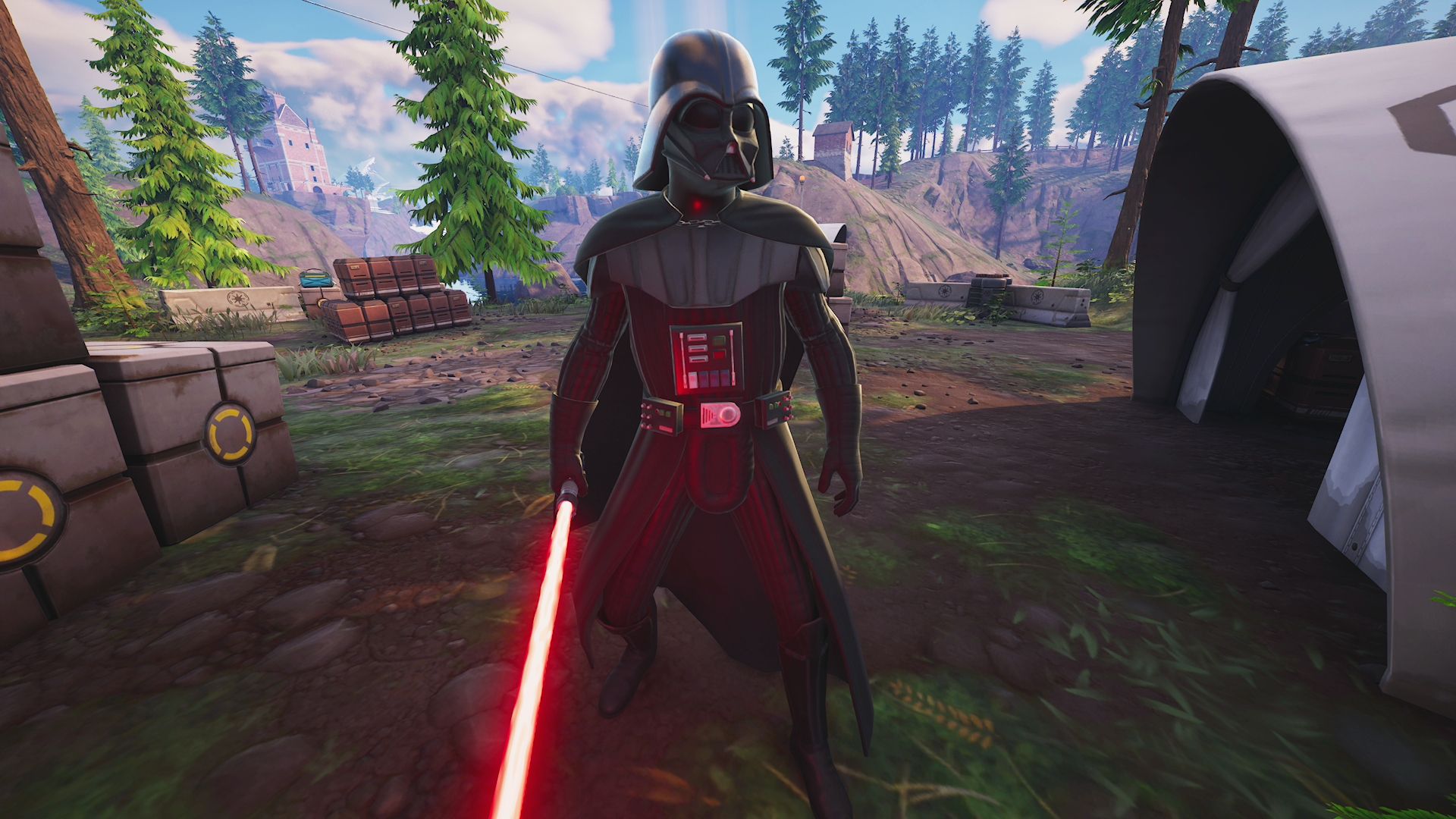
Epic Games has delayed an unannounced crossover shooter featuring Marvel and Star Wars characters, previously scheduled for March 2027, according to Bloomberg. The Fortnite and Unreal Engine maker is now directing developers to adopt generative AI tools, including Anthropic’s Claude, to accelerate production. One director reportedly told staff, 'No more hand-written code,' signaling a shift toward an 'AI-first' development process. The game’s new release date remains undetermined as Epic retools its approach.
Epic Games communications director Jake Jones stated the company is 'embracing AI-accelerated development,' emphasizing that Epic’s developers will lead the creative vision. Some developers expressed shock at the abrupt pivot, which includes generating all game art through AI workflows. CEO Tim Sweeney later confirmed a 'huge pivot' underway to reassign staff for 'maximum AI acceleration,' aiming to enable teams to 'build MORE and BETTER stuff' using Unreal Engine tools.
Disney invested $1.5 billion in Epic Games in 2024 and agreed to a multi-game partnership, including collaborations like an AI-voiced Darth Vader introduced in Fortnite last year. Players quickly exploited the feature, leading Epic to announce plans this summer to use AI voices for three dozen Fortnite skins, trained on performances of consenting actors. The move mirrors controversies such as the Arc Raiders AI voice backlash, highlighting ongoing debates over AI’s role in creative industries.
Epic’s AI push follows the layoff of over 1,000 developers in March 2024, attributed to a 'downturn in Fortnite engagement' beginning in 2023. Bloomberg reported the Marvel-Star Wars game’s development stalled due to underestimated resource needs. Sweeney defended the AI strategy on X, responding to criticism by asserting the company must design for current and future industry realities, despite user skepticism about the timing amid layoffs.