"We opted out of some things really early on": How the small team making No Law plan to make it look as big as Cyberpunk 2077
No Law’s small team of 24 developers deliberately limited scope to create a dense, vertical open-world immersive sim without loading screens or drivable cars.
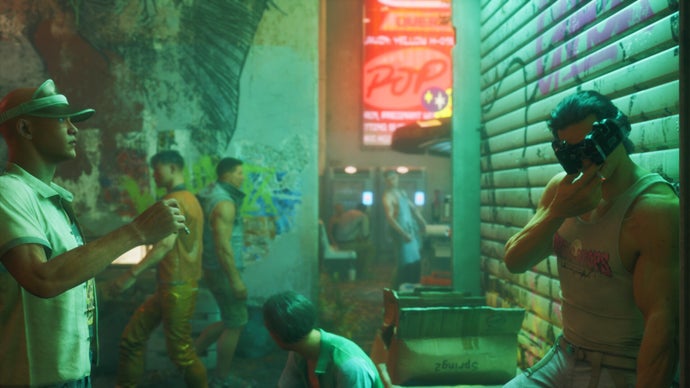
No Law’s trailers suggest a sprawling cyberpunk RPG akin to Cyberpunk 2077, but developer Neon Giant emphasizes its modest scale. Creative director Tor Frick notes the team consists of just 24 people, excluding outsourced QA, art, and sound design. This headcount shaped the game’s design from the outset, guiding decisions to balance ambition with feasibility. Frick acknowledges the challenge, calling No Law a difficult game to make while recognizing the constraints of a small team.
To manage scope, Neon Giant opted out of features early, including drivable cars. This decision streamlined development and reinforced the game’s core design: Port Desire is a city built for foot navigation. The team prioritized verticality over sprawl, creating a compact urban environment with tall buildings and steep terrain. This approach gives the illusion of a larger space despite the smaller footprint, encouraging exploration through winding streets and unexpected pathways.
The team further refined the city’s design by limiting building interiors to specific areas like nightclubs, bars, and apartments. This choice avoided loading screens while maintaining environmental consistency—exteriors and interiors align without hidden scaling. Neon Giant also introduced narrative constraints, such as a border wall and deep seas, to justify the city’s lawless setting. These limitations inspired the Kowloon Walled City-inspired narrative, where missions are placed logically within the confined space.
Neon Giant integrated systems like time and weather to enhance gameplay and realism. These elements dynamically alter district populations and character behaviors, impacting mission strategies. For example, smoggy weather keeps residents indoors, while nighttime in the slums deters activity but not in the bazaar. Such details create varied experiences, ensuring the game’s layered systems contribute meaningfully to player encounters.