Holding Russia accountable for its war against Ukraine: UK statement to the Warsaw Human Dimension Conference
The UK reaffirmed its commitment to holding Russia accountable for violations of international law during the Warsaw Human Dimension Conference, urging an immediate ceasefire and peace talks.
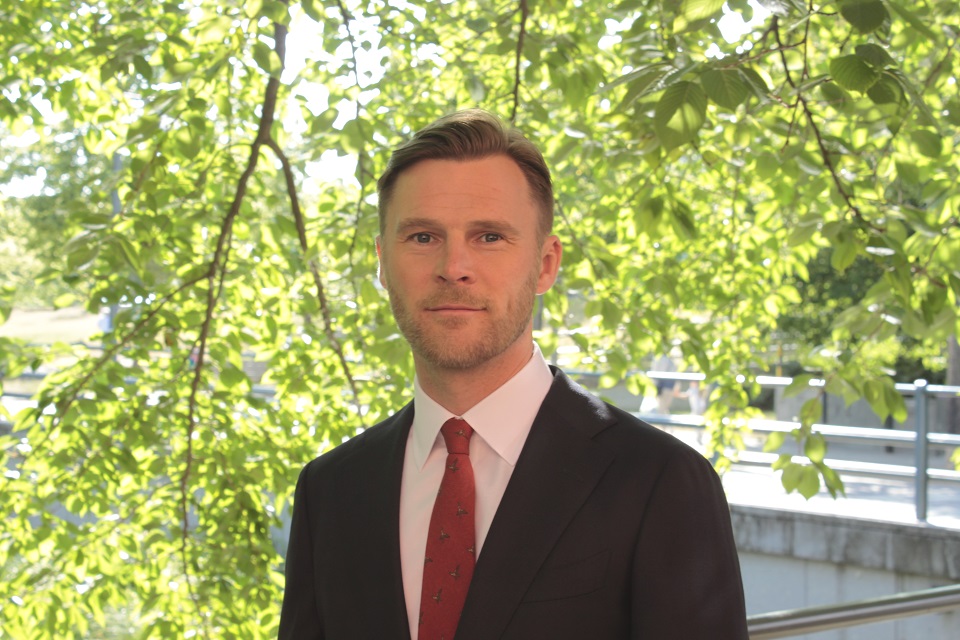
Deputy Ambassador James Ford highlighted reports of Russia’s violations of international law, including torture, enforced disappearances and the unlawful transfer of Ukrainian children. He reaffirmed support for accountability mechanisms and urged Russia to agree an unconditional ceasefire and pursue a just and lasting peace. Russia’s war of aggression against Ukraine continues to inflict immense suffering on civilians, with evidence from multiple independent bodies documenting persistent violations of international humanitarian and human rights law.
OSCE/ODIHR has recorded accounts of arbitrary detention, enforced disappearance, torture and ill-treatment, conflict-related sexual violence, and the fabricated prosecution of Ukrainian civilians and prisoners of war. It has also documented systematic restrictions on fundamental rights in temporarily occupied territories alongside the humanitarian consequences of attacks on civilian infrastructure. Successive OSCE Moscow Mechanism expert missions have reinforced these findings, reporting unlawful transfers of Ukrainian children and widespread torture of prisoners of war.
Russia has intensified attacks on Ukrainian cities, with August seeing record numbers of drone attacks and near-record missile strikes. July and August brought the two highest monthly civilian casualty totals of 2026, and civilian casualties rose by 55 per cent in the first eight months of this year compared with the same period last year.
As winter approaches, Russia has signalled its intention to intensify strikes against Ukraine’s energy infrastructure, threatening to deprive millions of civilians of electricity, heating and essential services. The UK remains committed to accountability, supporting efforts to document violations and preserve evidence of alleged war crimes while pursuing justice through international and domestic mechanisms.