UN Human Rights Council 63: UK Statement for the Interactive Dialogue with the High Commissioner on the oral update on Ukraine
The UK highlights severe conflict-related sexual violence against Ukrainian prisoners of war and civilians, citing a UN report documenting widespread abuses by Russian forces, including against children.
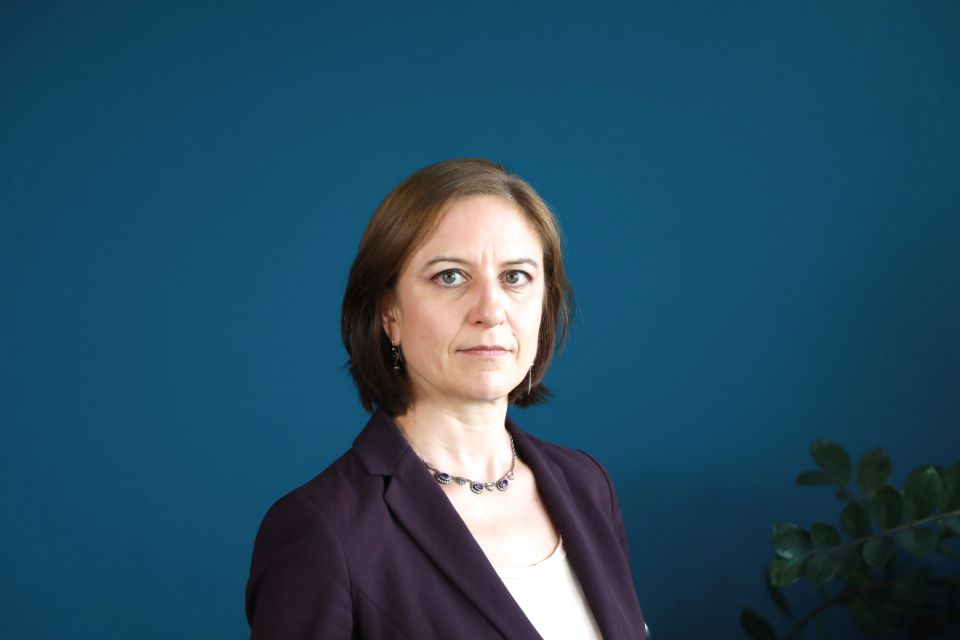
The UK’s Human Rights Ambassador, Eleanor Sanders, delivered a statement at the UN Human Rights Council addressing the High Commissioner’s oral update on Ukraine. The report details severe sexual violence inflicted on Ukrainian prisoners of war by Russian forces, with 63% of interviewed victims reporting such abuses. These acts included rape, genital mutilation, electric shocks, beatings to the genitals, and forced nudity, often used to humiliate and degrade prisoners over prolonged periods.
Beyond captivity, the report highlights Russia’s use of sexual violence as a deliberate tool to enforce occupation and terrorise Ukrainian civilians. The abuses extend to children, with the youngest documented survivor being just four years old. Some women have given birth to children conceived through rape, underscoring the long-term trauma inflicted on survivors and their communities.
The report emphasises the need for child-sensitive, survivor-centred support and justice to address the profound and lasting consequences of these crimes. It also notes that the documented cases may represent only a fraction of the true scale of violence due to restricted access to occupied territories and detainees.
Russia has refused access to monitoring missions in occupied areas, prisoners of war, and detainees, while also enacting laws granting near-total immunity to service personnel for crimes committed during military service. The UK questions whether these patterns indicate a systemic practice rather than isolated incidents.