International experts convene in London to tackle evolving chemical weapons threats
International experts met in London to address evolving chemical weapons threats at a conference hosted by the UK Ministry of Defence and Dstl, focusing on current challenges and future deterrence strategies.
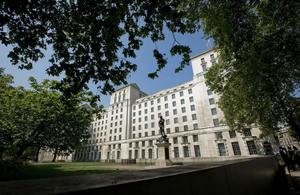
International experts from policy, science, and technical fields convened in London for the 28th Chemical Weapons Demilitarisation Conference, hosted by the UK Ministry of Defence and the Defence Science and Technology Laboratory (Dstl). The event, running since 1998, served as a platform for sharing lessons from chemical weapons destruction programmes and developing responses to emerging threats. Keynote speakers included representatives from the Ministry of Defence, the Organisation for the Prohibition of Chemical Weapons (OPCW), and the US Department of Defense, highlighting the conference’s global scope and collaborative approach.
The conference addressed pressing chemical weapons challenges, including the legacy of Syria’s programme under the Assad regime and ongoing violations by Russia. Speakers emphasised the need to maintain expertise, strengthen deterrence, and enforce international norms against chemical weapons use. Sessions explored detection, attribution, and destruction methods to prevent future violations, with a focus on accountability for state and non-state actors.
Delegates examined Syria’s progress in addressing its chemical weapons legacy, demonstrating the impact of multilateral cooperation and technical expertise. Panels also reviewed destruction programmes, such as Japan’s efforts to eliminate abandoned chemical weapons in China, and shared practical lessons from destruction technologies. The integration of advanced systems, including automated chemistry and drone delivery, was identified as a growing concern for future security.
Future-focused discussions covered emerging threats, including the identification of unknown chemicals, chemical forensics, and the application of artificial intelligence to chemical analysis. The conference also addressed engineering challenges in unfamiliar destruction scenarios and highlighted the work of early-career scientists in advancing chemical security. Designated laboratories like Dstl were underscored as vital to preserving expertise and ensuring the global norm against chemical weapons remains enforceable.