As wildfires spread north, UN agencies race to help Europe adapt
UN agencies are assisting European countries adapting to rising wildfire risks as climate change shifts fire patterns northward, with over 600,000 hectares burned in the EU by August 2026.
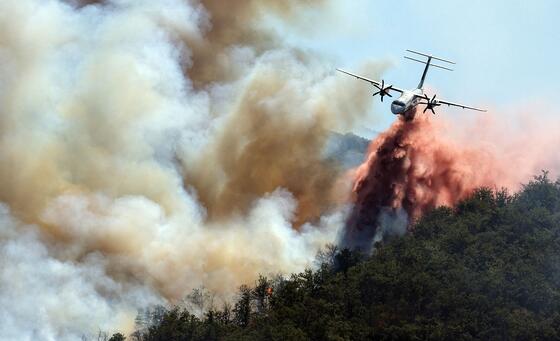
Wildfires are spreading into historically cooler regions of Europe as climate change intensifies heat and drought, according to UN agencies. The European Forest Fire Information System reports 600,000 hectares burned in EU countries by August 2026, exceeding the 20-year average despite being lower than 2025’s record. Countries like the UK and southern Scandinavia now face elevated risks due to prolonged dry conditions, compounded by the developing El Niño climate phenomenon. UN agencies emphasize preparedness as fire seasons lengthen and new areas become vulnerable.
A wildfire in Scotland’s Cairngorms Mountains in July 2026 demonstrated the growing threat, penetrating dry peat layers and resisting containment despite over 500 firefighters and aerial support. The blaze forced evacuations in Nethy Bridge, with high winds complicating efforts. Police Scotland declared a major incident as crews battled the fire for over a month, highlighting challenges in inaccessible terrain. Resident James MacEwan noted the absence of rainfall during the crisis, underscoring the region’s heightened fire risk.
Researchers warn that traditionally wetter regions, such as Ireland and Scotland, are now experiencing more frequent fire-prone conditions. Will Hayes of the Leverhulme Centre for Wildfires, Environment and Society noted that even green landscapes can become flammable during dry, warm, and windy periods. He advised avoiding ignition sources like campfires and barbecues during high-risk weather and following local fire warnings. Hayes stressed that wildfire prevention requires broader land-use and climate-adaptation strategies, not just emergency responses.
The World Health Organization’s Strategic Toolkit for Assessing Risks (STAR) methodology supports countries in evaluating public health risks, including wildfires. Cyprus and Ireland have completed assessments using STAR to prioritize hazards like heatwaves and fires. WHO has conducted 38 such workshops in Europe since 2018, aligning with international health and disaster risk reduction frameworks. These assessments aim to guide strategic investments in emergency preparedness and readiness.