Central Park adapts to climate change while helping New York stay cool
Central Park in New York is adapting to climate change through new planting strategies, composting, water recycling, and electrified equipment to maintain its cooling and ecological functions amid rising temperatures and heavier rainfall.
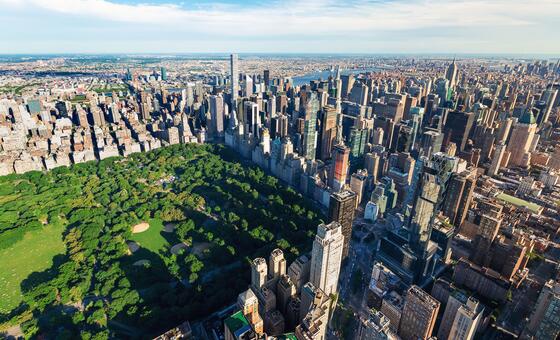
Central Park faces heavier rainfall, flooding, soil erosion, and heatwaves that threaten its ecosystem and visitor experience. Despite these challenges, the park provides critical cooling, air purification, stormwater capture, and shade, with temperatures up to 5°C lower than surrounding streets. The Central Park Climate Lab confirms this cooling effect, underscoring the park’s role as vital urban green infrastructure rather than just a recreational space.
Park staff are adapting the historic landscape to 21st-century climate conditions by selecting plant varieties better suited to warmer winters and erratic blooming cycles. Magnolias and cherry trees risk blooming too early, making them vulnerable to late frosts, while warmer winters may prevent apple trees from flowering. The Conservancy is also trialing plants from different climate zones to preserve the park’s character while ensuring resilience against climate impacts.
Composting initiatives at Central Park convert leaves, weeds, and food waste into nutrient-rich soil amendments to strengthen plants and restore heavily used lawns. This reduces surface runoff during heavy rain and keeps organic material within the park. The Conservancy plans to expand composting operations to process more material locally, minimizing waste sent to landfills and supporting long-term sustainability goals.
The park is also modernizing its infrastructure by installing underground water circulation systems to reduce reliance on potable water and replacing petrol- and diesel-powered machinery with electric alternatives. These changes, though less visible, aim to cut emissions and water use. The Conservancy’s efforts highlight the broader importance of urban green spaces as cities worldwide face rising temperatures and flood risks, offering replicable strategies for other municipalities.